The Gas You Can’t See Is the Problem
Most produce spoilage in a home kitchen isn’t caused by forgetting to eat fruit. It’s caused by where and how the fruit sits while you’re waiting to eat it. Specifically, a lot of it comes down to ethylene - a gaseous plant hormone, as defined by University of Maryland Extension, that accelerates the ripening process in many fruits.
Ethylene is not inherently bad. It’s what makes a hard, unripe avocado turn soft and edible, and it’s what develops the sugar levels, aromatic compounds, and softer texture that make ripe fruit worth eating. The problem is that ethylene doesn’t stop when a fruit reaches peak ripeness. It keeps doing its job, pushing fruit past ripe and into soft, mushy, and eventually decayed.
When high-emitting fruits sit next to ethylene-sensitive fruits - or even next to other high-emitting fruits - the gas concentration around all of them increases. That’s when ripening accelerates faster than you’d see with any single fruit on its own.
Why Bananas and Apples Are a Particular Problem
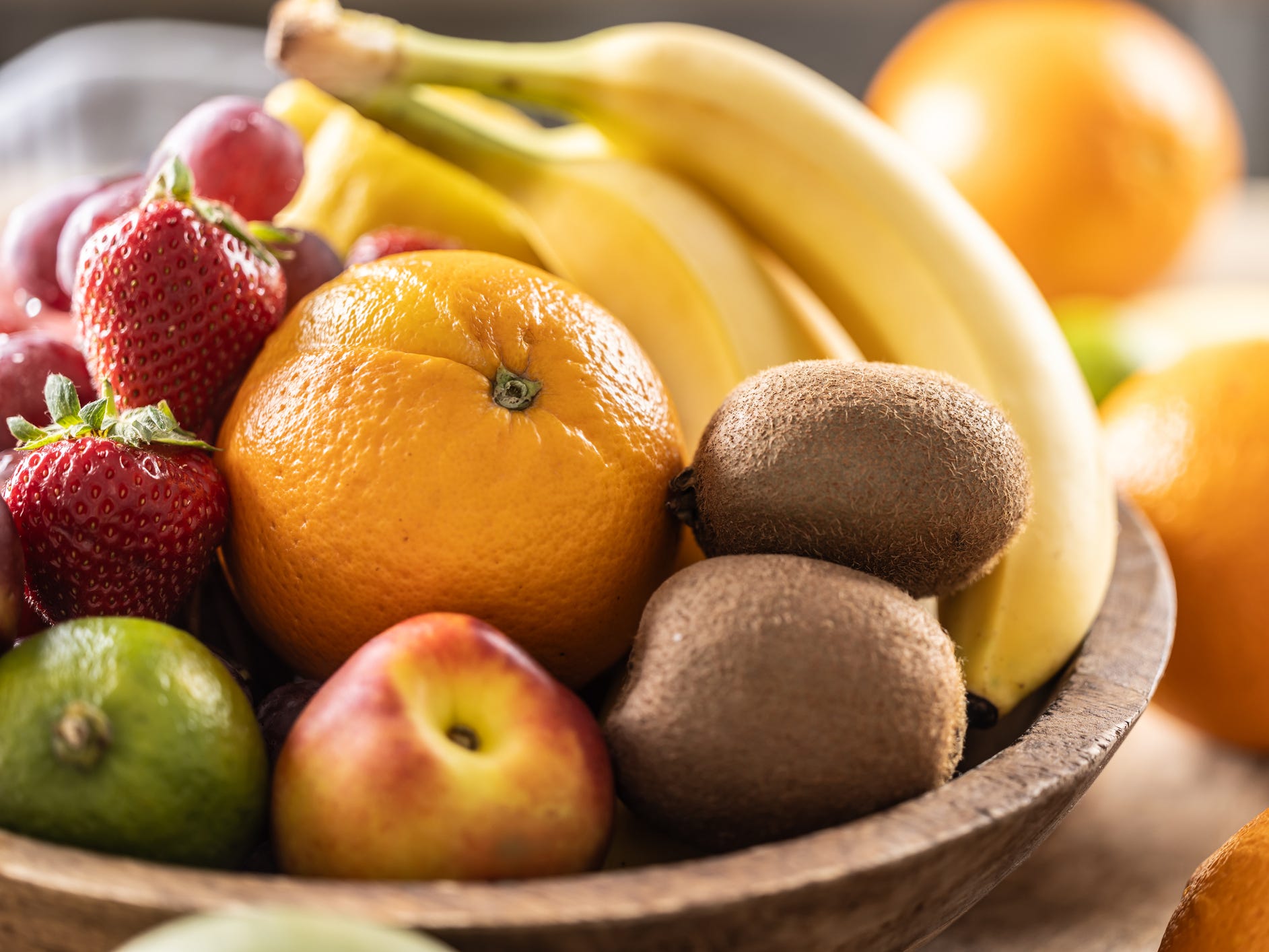
Bananas are among the highest emitters of ethylene of any common household fruit. Apples also produce ethylene. Storing them together - as most fruit bowls do by default - means both fruits are continuously exposed to elevated ethylene levels from two sources at once.
James Giovannoni, a plant scientist and researcher at the USDA, notes that apples are not as sensitive to ethylene as bananas. In practical terms, that means your bananas are likely to go overripe faster than your apples when the two are stored together. But the direction of concern doesn’t matter much if you’re ending up with fruit you have to throw away before you’ve eaten it.
Leave a bowl of Fuji or Honeycrisp apples near a bunch of bananas long enough, and the apples can go from firm and crisp to soft and overripe more quickly than they would stored away from a high ethylene source. The bananas, meanwhile, are getting the same treatment from the apple emissions, even if they’re more sensitive to it.
Giovannoni’s broader point is worth keeping in mind: the issue isn’t only about separating different kinds of fruit from each other. He recommends separating the same fruits from themselves - because any fruit that emits ethylene will affect its neighbors, including identical ones sitting right next to it.
How to Actually Store These Fruits
There is no single storage rule that applies to all fruit. What works depends on the type of fruit and how ripe it already is when you’re storing it.
Counter vs. Refrigerator
Refrigerating fruit can significantly slow ripening and extend how long the fruit stays at a usable stage of ripeness. For bananas that have already reached peak ripeness, refrigerating them is a practical option - the peel may darken, but the fruit inside holds its condition longer than it would on the counter.
Not all fruit tolerates cold storage, however. Giovannoni notes that fruits like melons and tomatoes aren’t adapted to cold climates, and refrigerating them can negatively affect their flavor or texture. Apples, by contrast, tolerate cold well - which is part of why they store well in the refrigerator without the quality issues that affect cold-sensitive fruits.
Bags vs. Open Bowls
Whether you use a bag or a bowl matters less than whether you use a sealed container. Giovannoni specifically advises against storing whole fruit in a sealed container. His reasoning is direct: sealing fruit alters the atmosphere around it. The fruit consumes the oxygen inside and produces more carbon dioxide, which can alter its metabolism and, in turn, its flavor.
Sealed containers also trap moisture, which increases the likelihood of rot, fungus, and accelerated decay. An open bowl at least allows some airflow, though it doesn’t limit ethylene dispersal.
If you want to use a bag - for example, to limit ethylene exposure to surrounding produce - Giovannoni recommends paper over plastic. A paper bag allows more airflow than a sealed plastic bag, while still limiting (though not eliminating) the movement of ethylene gas. It isn’t a perfect solution, but it performs better than a sealed plastic bag in this specific context.
Putting It into Practice in a Kitchen Storage Setup
If your kitchen counter currently holds a fruit bowl with bananas, apples, and whatever else came back from the market, the most practical change is also the simplest: separate them.
Move bananas away from the apples. If you have other high-ethylene-producing fruit - peaches, pears, avocados - keep those away from anything you want to stay firm for longer. A bunch of just-ripe peaches sitting next to a pile of bananas will move toward overripe faster than peaches stored on their own or in a cooler spot away from the ethylene source.
This doesn’t require buying new storage equipment or reorganizing your entire kitchen. It requires treating the fruit bowl as actual storage rather than a decorative catch-all. Different fruits on different surfaces, in different parts of the counter, or with one category in the refrigerator, is enough to create meaningful separation.
Using Ethylene Intentionally
Understanding ethylene also means you can use it when you want to. If you have an avocado that needs to be ready by tomorrow, placing it near a banana can speed the process. If you bought underripe pears or peaches, controlled proximity to a high ethylene source can help nudge them toward ripeness faster than leaving them isolated.
The key is intention. Ethylene isn’t something to avoid entirely - it’s the mechanism by which fruit ripens at all. The goal is to not let it run unmanaged across an entire fruit bowl, where it ends up accelerating everything simultaneously regardless of what you actually want to eat first.
Climacteric vs. Non-Climacteric Fruit
This distinction is worth knowing if you want to store produce more precisely. Some fruits - called climacteric fruits - continue to ripen after they’ve been harvested. Bananas, apples, pears, peaches, and avocados fall into this category. These are the fruits that both produce ethylene and respond to it, which is why post-harvest storage conditions matter so much for them.
Non-climacteric fruits - strawberries, grapes, citrus - do not continue to ripen meaningfully after harvest. They can still be affected by ethylene exposure in some cases, but they don’t produce significant amounts themselves and won’t become sweeter or more developed once picked. For these fruits, refrigeration typically helps extend freshness, but separating them from high-ethylene producers is still worth doing to avoid premature softening or decay.
Knowing which category your fruit falls into helps you make better decisions about what goes in the refrigerator, what stays on the counter, and what needs to be kept physically away from the banana bunch.
The Practical Limit of All of This
None of these methods stop ripening. They slow it down. A ripe banana on a cool counter, away from other ethylene sources and stored in a paper bag rather than a sealed container, will still go overripe - just more slowly than it would in a crowded fruit bowl next to a pile of apples.
The actual ceiling on how long any of this extends freshness depends on how ripe the fruit was when you stored it, the ambient temperature of your kitchen, and how much ethylene exposure it accumulates over time. Giovannoni’s guidance is grounded in that reality: you’re managing a biological process, not stopping it. The point of separating fruit and choosing storage conditions carefully is to give yourself a longer window to actually eat what you bought - not to preserve fruit indefinitely.
A paper bag does not eliminate ethylene movement. It limits it. That distinction matters when you’re deciding whether a storage change is worth making.