Why Basements Stay Disorganized
The basement ends up as a dumping ground for most households not because people are careless, but because the space itself is uninviting. When a room is cold and uncomfortable, nobody wants to spend time in it - which means nobody wants to spend time organizing it either. The result is a cycle: the space is unpleasant, so it gets avoided, so it fills up with boxes and seasonal items and forgotten furniture, so it becomes even harder to use.
Breaking that cycle does not require a full renovation. It requires making the space comfortable enough to actually work in, and then building an organization system that matches how the room will be used. Whether the basement is a home office, a TV room, a play area, or a storage room, the organization approach changes depending on what you actually need from it.
Make the Space Workable Before You Organize Anything
Trying to organize a cold room is harder than it sounds. Cold air makes you move faster and want to leave, which means you make worse decisions about what to keep, where to put it, and how to categorize it. Before sorting through boxes, take steps to make the room tolerable to spend an hour or two in.
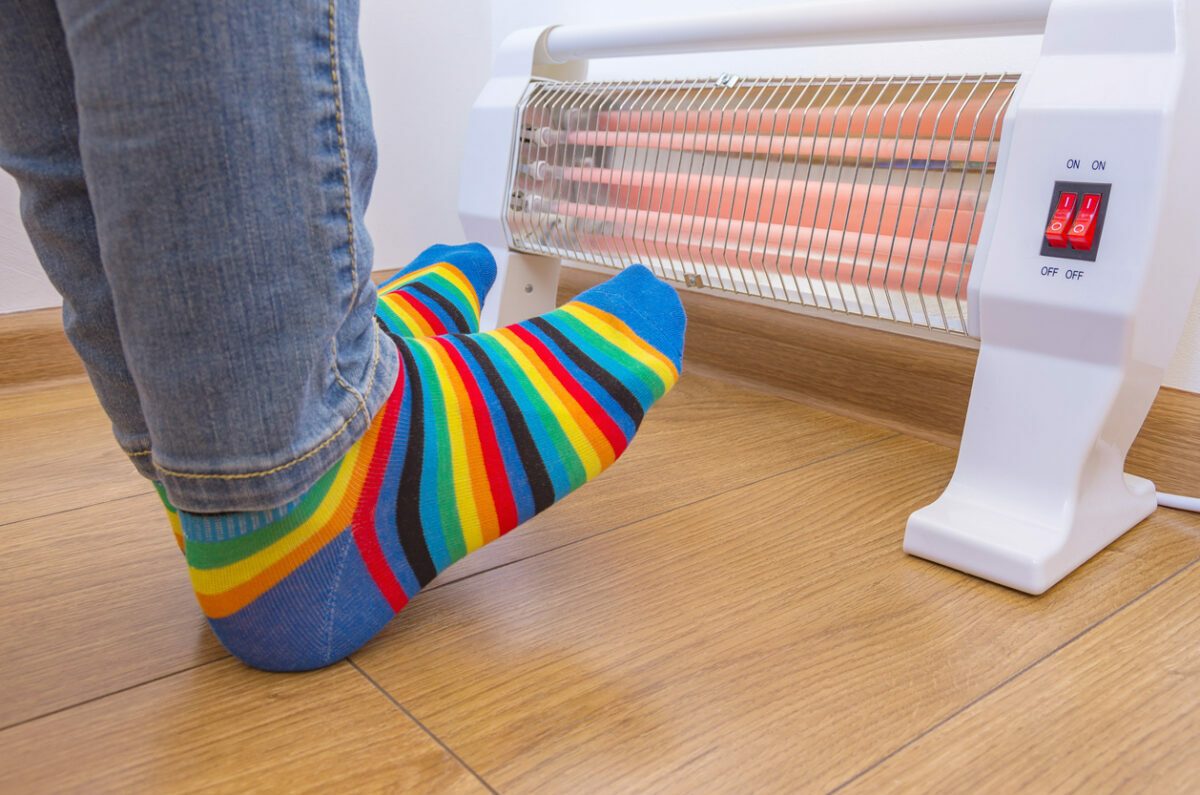
A portable electric space heater can raise the temperature in an enclosed area quickly. The GiveBest Portable Electric Space Heater, for example, is rated to heat up to 200 square feet and costs under $30. It will not warm a large open basement, but for an enclosed room or a defined work zone, it is enough to make a sorting session manageable. Similarly, if the floor is concrete - which holds cold and transfers it directly to your feet - laying down a high-pile area rug in the main work zone makes a noticeable difference. The TWINNIS Super Soft Shaggy Rug, which has a nonslip base that makes a separate rug pad optional, comes in four sizes and several colors and costs around $36.
These are not permanent solutions to basement temperature. They are practical measures to make the space usable enough for you to spend real time down there sorting and organizing.
Identify Problem Areas Before Committing to a Storage Layout
One of the most common organization mistakes in basements is installing shelving or storage systems against walls that have moisture or cold-air infiltration issues. If boxes or bins placed against a particular wall consistently develop moisture damage or mold, the wall itself is the problem - not the storage system.
A thermal-imaging camera can help identify where cold air is entering the space. The FLIR TG165-X is one option, priced at $399.99, and it can show cold spots along walls, around window frames, and near the floor. This matters for storage planning because placing cardboard boxes, fabric items, or wooden shelving against a wall with significant cold infiltration will lead to damage over time. Once you know which walls are stable and which are not, you can make better decisions about where to place permanent shelving versus where to use freestanding units that can be moved easily.
This step is worth doing before purchasing any shelving or cabinetry for the basement. Fixing a storage layout around a moisture problem you did not know existed is expensive and frustrating.
Zone the Basement by Function
A basement that tries to be everything at once ends up being nothing particularly well. The most functional basement organization systems divide the space into defined zones based on use: one area for long-term storage, one for active use (gym equipment, a desk, a play area), and one for seasonal items that need to be accessible but not constantly underfoot.
Long-term storage works best in the most stable, driest part of the basement - typically an interior wall away from windows and exterior foundation walls. Use plastic bins with lids rather than cardboard boxes, since cardboard degrades in variable humidity and provides no protection against pests. Label bins clearly on the side, not just the top, so you can read them when they are stacked.
Seasonal storage - holiday decorations, camping gear, off-season clothing - benefits from being grouped in a single area near the stairs or in a spot that does not require moving other items to reach. Rotating storage twice a year is much easier when seasonal items are consolidated rather than distributed throughout the basement.
Active-use zones, whether for exercise or recreation, need clear floor space and easy access to whatever equipment or supplies are used regularly. In a play area, open bins or low shelving at a reachable height keeps things accessible without requiring a child to dig through a pile. In a home gym, wall-mounted hooks or a simple freestanding rack for resistance bands, jump ropes, and smaller equipment keeps the floor clear for actual movement.
Cold Storage as an Asset, Not a Problem
A naturally cool basement is actually useful for specific types of storage that do not belong in the main living areas of a house. Root vegetables, canned goods, and unopened wine all store better in cool, dark conditions than at room temperature. If part of your basement maintains a consistently cool temperature without being damp, that section can be organized deliberately as a pantry or cold storage area.
This works best with open wire shelving, which allows air circulation, rather than solid shelving that traps moisture. Keep food items stored in sealed containers and elevated off the floor by at least a few inches to protect against any minor water intrusion.
The key condition here is that “cool and dry” is not the same as “damp.” A basement with any moisture infiltration is not suitable for food storage without addressing the moisture problem first. A thermal camera or a simple hygrometer - a device that measures relative humidity - can help confirm whether a section of the basement is genuinely dry before you commit to using it for food storage.
Keeping the Basement Organization Maintained
An organized basement can go back to chaos within a few months if there is no system for what goes into it. The most effective maintenance habit is a simple rule: nothing goes into the basement without a labeled container and a designated zone. A box sitting at the bottom of the stairs waiting to be “dealt with later” is how basements fill back up.
Twice-yearly sorting sessions, timed around the seasonal storage rotation, give you a regular opportunity to remove items that are no longer needed and reassess the layout. If a zone is not working - if the play area has been abandoned because the kids aged out of those toys, or the home gym section has become a pile of rarely used equipment - that is the time to reorganize rather than letting the space drift back toward general storage.
For basements that double as TV rooms or dens, managing the clutter that accumulates during regular use is a separate challenge from deep organization. A storage ottoman or a basket near the seating area for throw blankets keeps textiles from spreading across the furniture and floor. The Connecticut Home Company Faux Fur and Sherpa Throw Blanket, for instance, is available in five sizes - having blankets in consistent storage rather than draped across multiple surfaces makes the room look more organized with almost no effort.
What the Layout Cannot Fix
A basement that has a persistent odor, visible mold, water staining on the walls, or active moisture infiltration is not ready for organization. No amount of shelving or zone planning will fix a humidity problem. Addressing moisture at the source - whether that means sealing cracks, improving drainage, or installing a dehumidifier - has to come before any permanent storage system is put in place.
Cold by itself is manageable. Cold combined with damp is a storage environment that will damage most materials over time, regardless of how well the space is organized.