Why Leaving Soil Bare Between Seasons Is a Problem
Bare soil erodes. Wind and water strip the topsoil layer, carry away nutrients, and compact the surface over time. For home vegetable gardens, which typically sit dormant through winter, that exposed period is when the most preventable damage occurs.
Cover crops are plants sown specifically to occupy that gap - not to be harvested, and not primarily for appearance, but to protect and enrich the soil between growing cycles. When turned back into the ground in spring, they function as green manure, adding organic matter and returning nutrients to the soil. The practice is used at commercial scale by farmers planting non-commodity crops after harvesting cash crops, and the same logic applies to a backyard vegetable bed.
Soil is not meant to stay uncovered for months at a time. Cover crops are a practical, low-cost way to keep it productive.
When to Plant Cover Crops
For most home vegetable gardens, fall is the practical planting window. Once the summer or warm-season crops are finished, the beds are clear and the soil is still workable. Planting a cover crop at that point gives it time to establish before hard frost.
Gardeners in the hottest growing zones, or those who grow cold-season vegetables and leave beds open in summer, may find summer cover crops more appropriate. Sowing times also vary by the specific crop and the growing zone, so no single timing applies across all situations.
What Cover Crops Actually Do
The benefits are specific and worth separating from each other, since different crops contribute in different ways.
Erosion control: Cover crop roots and surface growth intercept rain before it hits bare soil, reducing runoff and helping preserve the topsoil layer.
Soil structure: Some cover crops break up compacted soil as their roots push through it, which improves root penetration for subsequent plantings.
Aeration and microbial activity: Root channels created by cover crops allow air movement through the soil, which supports microbial life and contributes to overall soil fertility.
Nitrogen and nutrient addition: Legume cover crops fix atmospheric nitrogen into the soil through a symbiotic relationship with Rhizobium bacteria that live on their roots. This reduces dependence on added fertilizers.
Moisture retention: By reducing runoff and improving how water filters into the soil, cover crops help conserve soil moisture.
Pest and disease management: Specific cover crops have specific effects here. Mustard, for example, has been noted for its ability to reduce soil fungi and control parasitic nematodes. This does not apply broadly to all cover crops.
Weed suppression: Dense cover crop growth crowds out weed germination and establishment. This is one of the more consistent benefits across multiple crop types.
Habitat for beneficial insects and organisms: Cover crop plantings, particularly flowering varieties, can support bees, ladybugs, birds, and soil-dwelling organisms.
Reduced fertilizer and herbicide use: Over time, healthier soil built through cover cropping can lower the need for purchased inputs.
The Three Categories of Cover Crops
Cover crops generally fall into one of three groups: legumes, broadleaves, and grains. Each category has distinct characteristics and contributes differently to soil health.
Legumes are nitrogen-fixing crops. Their root systems host Rhizobium bacteria that convert atmospheric nitrogen into a form plants can use. Because legumes are higher in nitrogen than grasses, they break down faster after being turned into the soil and release their nutrients more quickly than grain or broadleaf cover crops.
Grains (sometimes called grasses in this context) tend to produce more bulk organic matter. They decompose more slowly than legumes, which means they add structure to the soil over a longer period but do not release nitrogen as quickly.
Broadleaves vary widely by species and are chosen for specific purposes - some for weed suppression, some for deep taproot action that breaks up compaction, some for their effects on soil biology.
Choosing between categories depends on what the soil actually needs. A soil test can identify low nutrient levels and help narrow the decision.
8 Cover Crops Suited to Home Gardens
Cover crops for home gardens differ from decorative ground covers, which are chosen for landscaping purposes like filling space in ornamental beds or replacing turfgrass. Cover crops are selected for soil function, not appearance.
1. Crimson Clover (Trifolium incarnatum)
Crimson clover is a nitrogen-fixing annual legume in the same family as vetch, peas, and peanuts. It grows best in cool weather and is considered primarily a winter cover crop. Beyond nitrogen fixation, it provides strong weed suppression. Its deep red flower heads attract bees and ladybugs. It requires well-draining soil.
2. Hairy Vetch (Vicia villosa)
Another nitrogen-fixing legume, hairy vetch is winter-hardy and grows aggressively enough to smother weeds effectively. It is often planted alongside a grain crop like winter rye to give the vetch something to climb. The combination also helps with erosion control on sloped beds.
3. Winter Rye (Secale cereale)
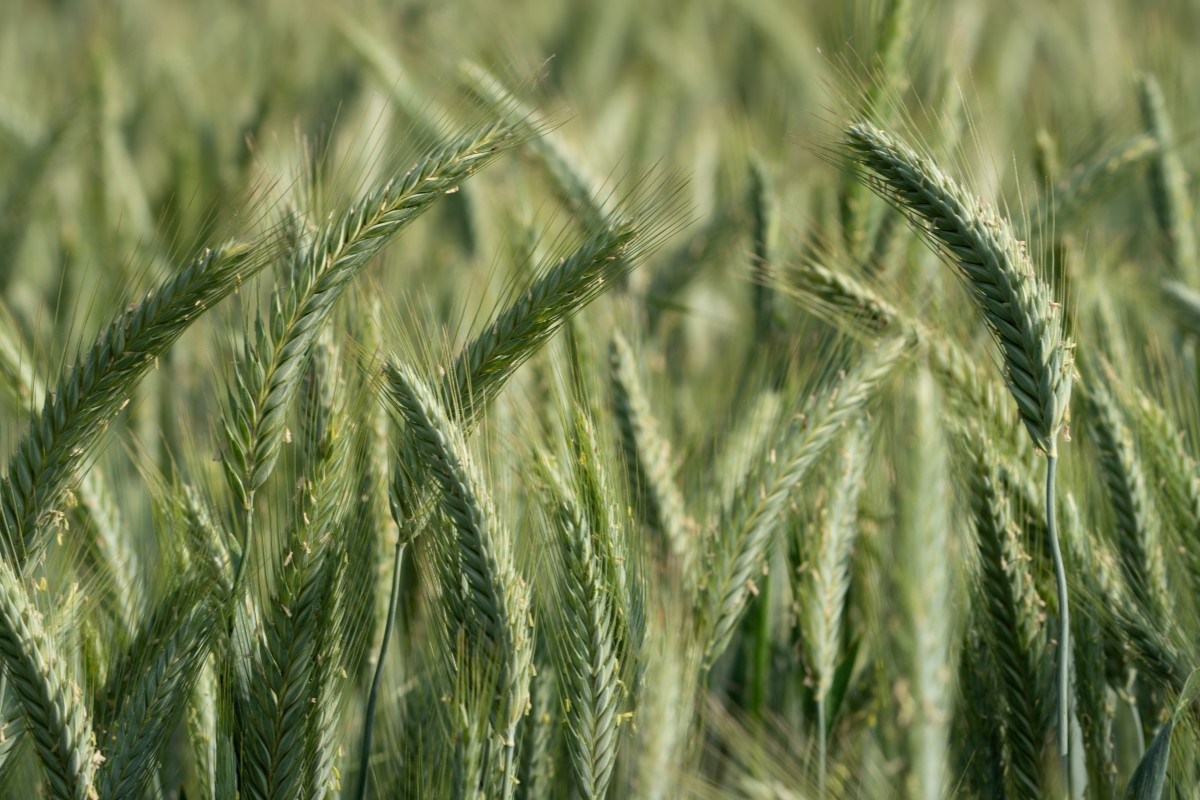
Winter rye is a grain cover crop and one of the most cold-tolerant options available. It establishes quickly after sowing and produces significant root mass that holds soil in place through winter. Its dense growth suppresses weeds. Because it is a grain rather than a legume, it does not fix nitrogen - its primary contributions are erosion control, organic matter, and weed suppression.
4. Buckwheat (Fagopyrum esculentum)
Buckwheat is a warm-season broadleaf crop, making it better suited to summer use in most climates. It grows fast - capable of establishing within a few weeks - and its flowers attract beneficial insects. It is not frost-tolerant and should not be planted where fall frosts arrive early.
5. Austrian Winter Peas (Pisum sativum subsp.)
A legume like crimson clover, Austrian winter peas fix nitrogen and add organic matter when turned in. They are cold-hardy enough for fall planting in many zones and can be grown alongside winter rye to balance nitrogen contribution with bulk organic matter.
6. Mustard (Sinapis spp. or Brassica spp.)
Mustard is a broadleaf cover crop noted specifically for its biofumigant properties. When the plant matter is incorporated into the soil, compounds released during decomposition have been observed to suppress soil-borne fungi and reduce populations of parasitic nematodes. This is a crop chosen for a specific soil problem, not a general-purpose choice.
7. Phacelia (Phacelia tanacetifolia)
Phacelia is a fast-growing broadleaf crop with fine foliage and purple flowers that attract pollinators and beneficial predatory insects. It breaks down quickly when turned in, which makes it a practical green manure option. It grows in both spring and fall depending on the zone.
8. Oats (Avena sativa)
Oats are a grain cover crop suited to fall planting in moderate climates. They winter-kill in colder zones, which can actually be useful - the dead plant matter remains on the soil surface as mulch through winter without requiring any tillage to terminate the crop. In milder zones, they may survive and need to be turned in or mowed before spring planting.
Matching the Crop to the Problem
The most practical starting point is identifying what the soil most needs: erosion control, nitrogen replenishment, weed suppression, or remediation of a specific pest or disease issue. Legumes address nitrogen. Grains address bulk organic matter and erosion. Specific broadleaves like mustard address disease pressure.
A soil test before selecting a cover crop gives the most reliable picture of what is actually low or depleted. Without that baseline, the selection is partly guesswork.
Note that sowing times vary by crop, by growing zone, and by the season in which the cover crop is intended to grow. A timing approach that works in Zone 7 may not apply in Zone 4 or Zone 9.