Once outdoor temperatures drop consistently and patio furniture gets stacked away, heaters and fire pits are often the last items addressed. That tends to be a mistake. Propane residue, moisture, and leftover ash can cause lasting damage if a unit goes into storage dirty. The type of heater determines how you clean it, what products are safe to use, and how the unit should be stored.
This guide covers the most common residential patio heater types: freestanding propane heaters (including pyramid-style units like 89-inch tall models that house a 20-pound propane tank in the base), wall-mounted electric heaters, propane fire tables, wood-burning fire pits, and portable tank-top propane heaters. Each has different cleaning requirements and different storage considerations.
Why End-of-Season Cleaning Matters
Residue left on heating elements, burner ports, or fire pit surfaces over a winter storage period can harden, corrode metal, or attract pests. Ash from a wood-burning fire pit is mildly alkaline and holds moisture, which accelerates rust on metal components. Propane burner ports can clog with debris or insects if left uncovered and uncleaned. Electric heating elements collect dust and grime that, when the unit is powered on again in spring, can produce an unpleasant smell or, in heavier accumulations, affect performance.
Cleaning before storage also gives you a chance to identify any components that need replacing before next season, rather than discovering a cracked regulator or a corroded burner ring when you want to use the unit.
Freestanding Propane Heaters and Pyramid Models
Tall freestanding propane heaters, including pyramid-style units with a glass tube enclosing the flame column, require attention to several different surfaces.
Start by disconnecting the propane tank and moving the unit somewhere well-ventilated. Allow the unit to cool completely if it was recently used. Never clean near an open flame or heat source.
Glass tube (pyramid models): The glass panel that surrounds the flame on pyramid heaters attracts grease, smoke film, and soot. Use a damp cloth with a small amount of dish soap to wipe down the exterior. Avoid abrasive scrubbers, which can scratch the glass. Dry thoroughly before storing. If the glass has developed a hazy film from prolonged use, a glass cleaner applied with a lint-free cloth can address surface discoloration, but check the manufacturer’s guidance first - some glass panels have coatings that react poorly to solvent-based cleaners.
Metal pole and base: Wipe down the pole and base with a damp cloth. For any rust spots on the powder-coated or stainless steel exterior, a small amount of white vinegar applied with a cloth can loosen surface oxidation on stainless steel. Do not apply vinegar to powder-coated finishes without testing a small area first, as it can dull some coatings.
Burner head and emitter screen: Use a soft brush (a clean paintbrush works) to remove debris from the burner head and the mesh emitter screen. Do not use water directly on the burner assembly. If burner ports look clogged, a thin wire or a can of compressed air can clear them - consult the manual before probing, as some burner materials are fragile.
Propane tank and hose: Disconnect the hose and inspect the regulator connection for cracks or corrosion. Store the propane tank upright in a well-ventilated outdoor area away from ignition sources - propane tanks should not be stored in garages, basements, or any enclosed space. The hose and regulator can be stored separately in a dry location.
Wall-Mounted Electric Patio Heaters
A wall-mounted electric heater rated at 1,500 watts - a common output for residential models - has no fuel system to manage, which simplifies end-of-season maintenance considerably. However, electrical components still need care.
Turn the heater off and allow it to cool fully. If the unit has a removable cover or grille, remove it and wash it with warm soapy water, rinse, and dry completely before reattaching. The heating element itself should only be wiped with a dry or very slightly damp cloth - never apply water directly to electrical components. A can of compressed air is useful for clearing dust from the interior grille without introducing moisture.
Check the mounting bracket for any signs of loosening or rust, particularly at the wall anchor points. If the heater is going to sit unused for several months, covering it with a fitted weatherproof cover (if the manufacturer offers one) can reduce dust accumulation on the grille during the off-season.
Units with a remote and timer function - features common on models like the Kenmore wall-mount heater - should have their batteries removed if the remote will not be used for an extended period, to prevent corrosion inside the battery compartment.
Propane Fire Tables
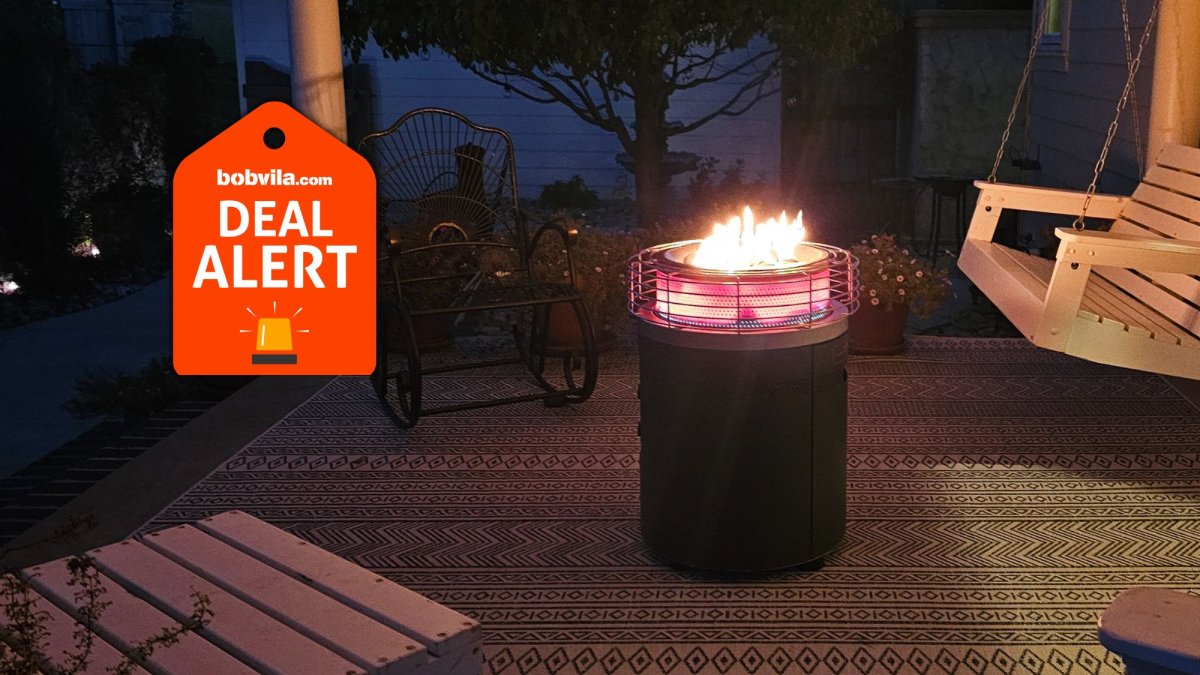
Fire tables have a burner assembly set into a table frame, often with decorative fire glass or lava rock surrounding the burner. The burner and the decorative media both need attention.
Remove the fire glass or lava rocks if the design allows it. Wash fire glass in warm soapy water, rinse thoroughly, and allow to dry completely before replacing or storing. Residue on fire glass can discolor it or cause uneven flame distribution when the unit is used again. Lava rock should also be removed and brushed clean of debris; avoid washing lava rock with soap, as it is porous and can retain detergent.
Wipe down the table surface with a damp cloth appropriate to the material - wicker frames, stone tops, and powder-coated metal each have different sensitivities. Test any cleaning product on an inconspicuous area before applying broadly. The burner pan itself should be wiped dry and inspected for any rust or debris. Cover the burner opening before storing to prevent insects from building nests inside, which is a common source of blocked burner ports found at the start of the next season.
Wood-Burning Fire Pits
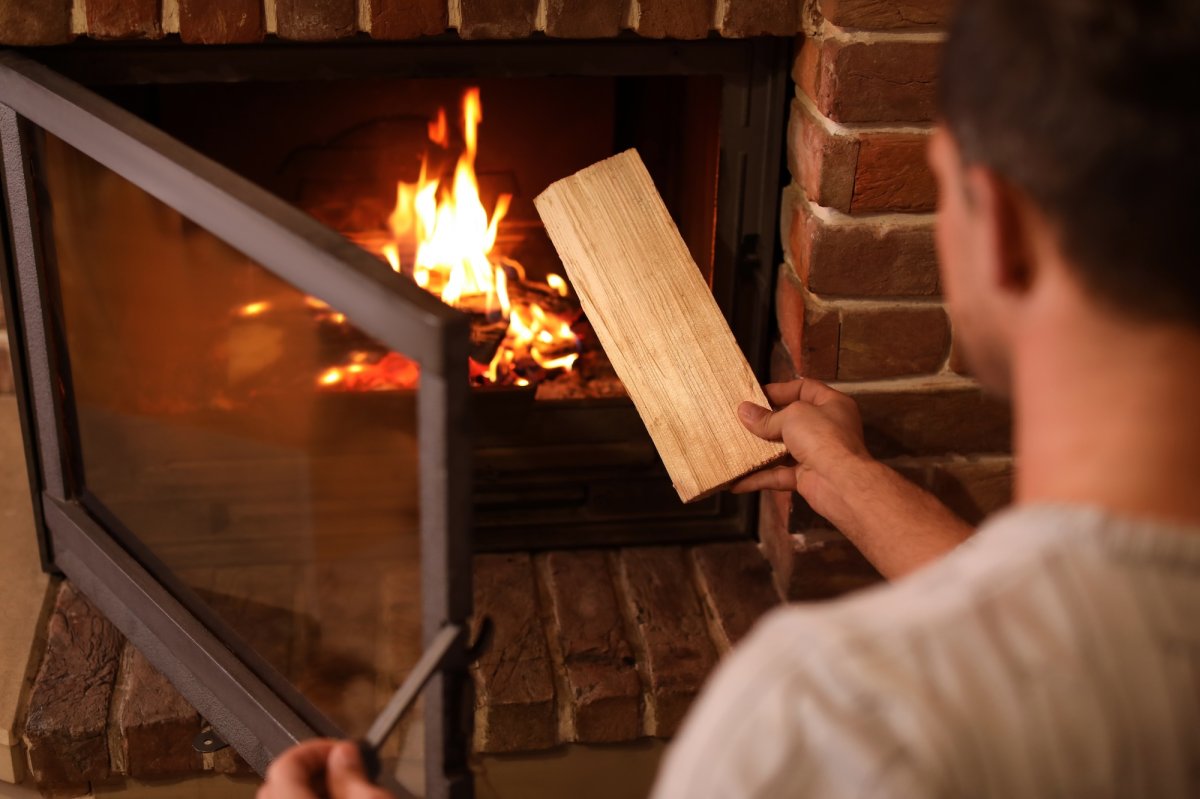
Wood-burning fire pits require ash removal before storage. Ash should be allowed to cool for at least 24 hours after the last fire before handling - even ash that appears cold can contain live embers.
Scoop ash into a metal container with a lid - do not use plastic bags or cardboard boxes, which are fire risks if any residue is still active. Dispose of cooled ash in a non-combustible outdoor bin or spread it thinly in garden areas where alkaline soil amendment is needed.
Once ash is removed, scrub the interior of the pit with a stiff wire brush to remove charred residue from the metal surface. A small amount of dish soap mixed with warm water can be used to clean the interior, but rinse thoroughly and allow the pit to dry completely before covering. Covering a damp fire pit traps moisture and accelerates rust.
Apply a light coat of high-temperature cooking oil or a dedicated metal protectant to the interior surface to slow oxidation during storage. The exterior of the pit can be wiped down with a general-purpose cleaner appropriate for the finish.
Portable and Tank-Top Propane Heaters
Portable propane heaters - including the type that mounts directly to a 20-pound tank - require one critical rule above everything else: they must only be used in open air. Never run a tank-top or portable propane heater in a garage, tent, or enclosed porch. For storage and cleaning purposes, this also means cleaning should be done in a well-ventilated outdoor space.
Disconnect the heater from the propane source before cleaning. Wipe the reflector shield and outer casing with a damp cloth to remove dust and residue. Use a soft brush to clear debris from the burner screen. Inspect the fuel connection for any signs of wear before storing.
General Storage Notes
Cover all outdoor heaters with a fitted cover rated for outdoor use if you plan to store them in place. If storing in a shed, ensure the space is dry. Keep propane tanks outside and upright, never indoors.
Cleaning before storage takes about 20 to 40 minutes per unit depending on type and condition. Units stored dirty typically require more work at the start of the following season and are more likely to have performance issues on first use.