Cleaning Outdoor Grills Is Not One-Size-Fits-All
A gas grill with open steel grates, a flat-top propane griddle, and a pellet smoker with a grease management system are three different cleaning problems. They share some overlap - grease, carbonized food residue, and weather exposure - but the surfaces, materials, and mechanisms differ enough that a method suited to one can damage or simply fail on another.
This article covers the practical cleaning considerations for the main grill types currently in wide use: open-grate gas grills, flat-top griddles, and pellet grills and smokers. Within each category, the approach depends on material, frequency of use, and where grease accumulates.
Gas Grills with Open Grates
Grate Material Matters Before You Pick a Method
Most two-burner and four-burner gas grills - including propane models common for patio use - come with grates in one of three materials: porcelain-coated cast iron, plain cast iron, or stainless steel. Each responds differently to cleaning.
Porcelain-coated cast iron grates are durable but brittle at the coating level. Wire brushes with stiff metal bristles can chip the porcelain, which exposes the iron underneath to rust. A nylon-bristle brush rated for grill use, or a ball of crumpled aluminum foil held with tongs, removes stuck-on residue without the same risk of chipping.
Plain cast iron grates require the same approach used for cast iron cookware indoors: avoid prolonged water contact, dry thoroughly after any wet cleaning, and apply a thin layer of cooking oil before storage to prevent surface rust. Soap can be used sparingly, but soaking is a problem.
Stainless steel grates tolerate more aggressive scrubbing without the coating concern, though abrasive pads can scratch the surface and create more places for residue to grip next time.
The High-Heat Cleaning Step
One common approach for open-grate gas grills - one that works regardless of grate material - is burning off residue before scrubbing. After cooking, closing the lid and running the burners on high for 10 to 15 minutes carbonizes leftover food into ash, which brushes off more easily than sticky grease. This works best when done while the grill is still hot, rather than after it has fully cooled.
For a two-burner grill with independent heat zones, this works on both sides simultaneously if both burners are running, or on one section at a time if you want lower gas use.
Grease Traps and Drip Pans
Gas grills with side burners or multiple burners often have a grease management system: a sloped channel under the grates that directs drippings into a removable drip pan or cup. This is one of the most neglected parts of grill maintenance and one of the more significant fire risk factors when left uncleaned.
Drip pans should be emptied and wiped down after heavy use sessions. A full drip pan that overflows can ignite. Dish soap and warm water handle most drip pan cleaning. For hardened, carbonized grease, soaking in hot water for 15 to 20 minutes softens the residue before scrubbing.
Flat-Top Griddles
How Flat-Top Surface Cleaning Differs from Grate Cleaning
A flat-top griddle - whether a standalone portable propane unit or a larger freestanding model - has a solid cooking surface, usually cold-rolled steel or cast iron. These surfaces are seasoned rather than coated, meaning a layer of polymerized oil builds up over time and acts as a non-stick barrier. Cleaning a flat-top griddle means removing food residue and excess grease without stripping that seasoning layer.
Portable propane griddles, which are commonly used for camping, tailgating, and patio cooking, typically have smaller cooking surfaces and are more likely to be exposed to varying conditions. The cleaning principles are the same as for larger units.
The Basic Post-Cook Cleaning Routine for Flat-Tops
The most straightforward flat-top cleaning sequence works while the surface is still warm - not scorching hot, but warm enough that residue hasn’t fully hardened:
- Use a flat metal scraper to push food debris and pooled grease toward the grease trap or off the edge into a grease catch.
- Pour a small amount of water onto the surface. On a warm flat-top, this creates steam that loosens residue. Scrape again.
- Dry the surface with paper towels or a clean cloth.
- Apply a very thin coat of cooking oil (flaxseed oil, canola oil, and similar neutral oils are commonly used for this) and wipe it across the surface. This step maintains the seasoning layer.
Soap is generally avoided on seasoned flat-top surfaces because it can strip the polymerized oil layer. If the surface has been contaminated with something that requires soap - a significant spillage of a food item that left odor or residue that water alone won’t resolve - use a minimal amount and re-season the surface afterward by applying a thin layer of oil and heating it until the oil smokes and polymerizes.
What Not to Use on Flat-Tops
Avoid bleach-based cleaners on cooking surfaces entirely. Bleach is corrosive to steel and leaves chemical residue that is not safe in contact with food. Similarly, avoid oven cleaner products on flat-top griddle surfaces - these are formulated for enclosed oven interiors and contain sodium hydroxide (lye), which will strip seasoning aggressively and can leave residue.
Abrasive scrubbing pads can be used carefully on flat-top steel surfaces when there is significant carbonized buildup that a scraper alone won’t shift, but fine abrasives are preferable to coarse ones to avoid deep scratching.
Pellet Grills and Smokers
Grease and Ash: Two Separate Cleaning Jobs
Pellet grills and smokers involve two waste products that require different handling: wood ash from burned pellets, and grease from cooking. These accumulate in separate places and should not be confused or cleaned with the same method.
Ash builds up in and around the firepot - the small burn chamber at the base of the unit where pellets ignite. Ash should be vacuumed or carefully scooped out when cool. Using water to clean ash creates a wet paste that is harder to remove and can corrode metal components. A small shop vacuum rated for ash is a common tool for this step. Do not use a standard household vacuum on ash from a pellet grill - fine ash can damage standard vacuum filters.
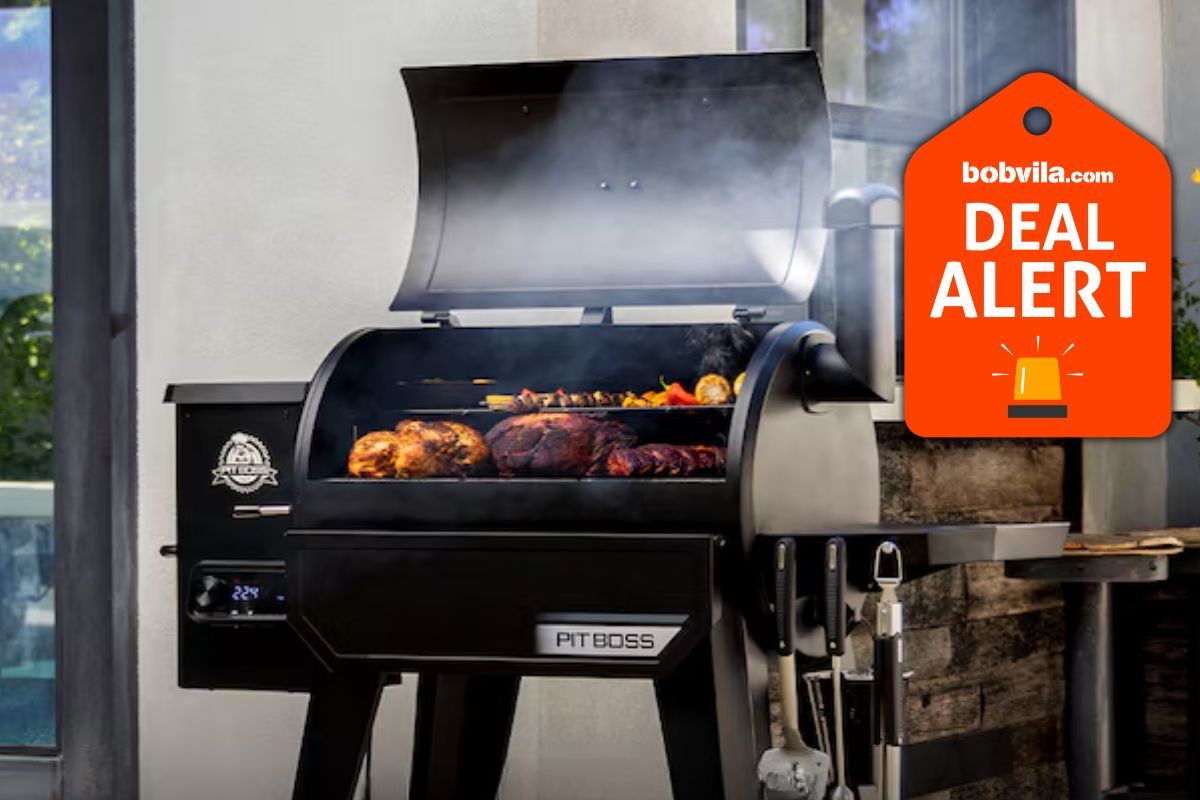
Grease accumulates on the drip tray or heat deflector plate, which sits above the firepot and below the grill grates. This plate catches drippings and directs them toward a grease bucket or drain. The drip tray should be lined with aluminum foil if the manufacturer’s instructions permit this, which makes cleanup significantly faster - replace the foil rather than scrubbing the tray each time.
Grates on Pellet Grills
Pellet grill grates are most often porcelain-coated or stainless steel, and the same material-specific cleaning guidelines described for gas grill grates apply here. The burn-off method works on pellet grill grates as well, though the maximum temperature of a pellet grill (which varies by model but is often in the 450 to 500 degree Fahrenheit range for standard units) is generally lower than what a gas grill can reach, so carbonization of residue may take slightly longer.
Interior Walls and Smoke Residue
Pellet smoker interiors accumulate a layer of dark, tar-like residue over time from smoke polymerizing on the metal walls. A thin, even layer of this residue is considered normal and actually contributes to consistent smoking performance. Cleaning it aggressively or using degreasers on the interior walls is generally not recommended unless the buildup has become very thick or flaky, at which point scraping rather than chemical cleaning is the usual approach.
If chemical degreasers are used anywhere on a pellet grill exterior or removable components, rinse thoroughly and allow all surfaces to dry completely before the next cook. Residue from cleaning products on any surface that reaches cooking temperatures is a meaningful concern.
Storage and Seasonal Considerations
Grills left outside in fall and winter benefit from a fitted cover that blocks moisture and debris. Before covering a grill for extended storage, empty and clean the grease tray or drip pan - stored grease can attract pests and turn rancid. Cast iron grates and flat-top surfaces should be oiled before storage to prevent rust during humid or wet months.
Portable and tabletop grills stored inside after the season should be fully cooled, cleaned, and dry before going into any indoor storage space. Residual propane connections should be disconnected and caps replaced per the manufacturer’s guidance.
Ash in a pellet grill firepot left over the winter can absorb moisture and harden into a compact mass that is more difficult to remove in spring. Vacuuming ash out before a long storage period is straightforward and avoids that problem.