Two Tools, Two Different Jobs
Rakes still work. Nobody is disputing that. But when fallen leaves cover a large lawn or pile up around garden beds, a powered tool can cut down the time spent considerably. The confusion comes from assuming a leaf vacuum is just a leaf blower running in reverse - and while the mechanics are related, the practical use cases diverge enough that picking the wrong one for a job creates more work, not less.
Both tools have legitimate roles in seasonal yard maintenance, and understanding what each does well makes it easier to match the tool to the task rather than defaulting to whichever one is already in the garage.
What a Leaf Blower Actually Does Well
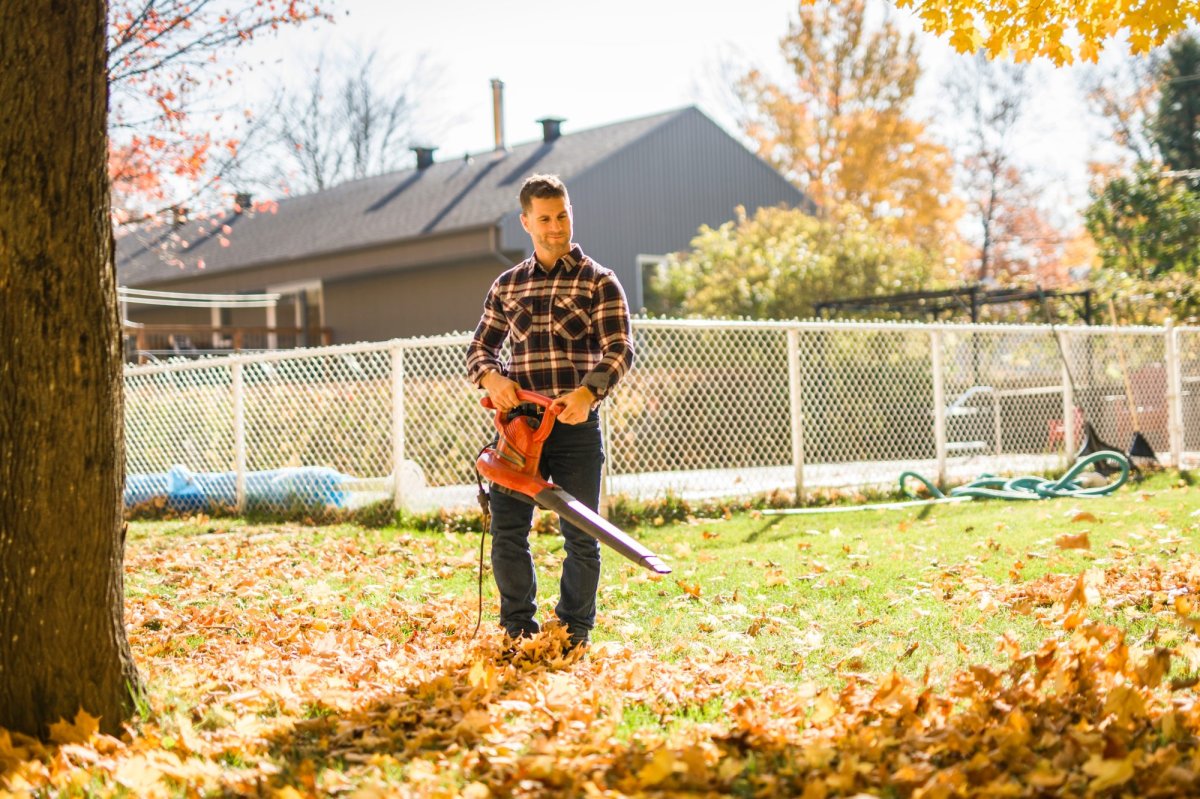
A leaf blower moves debris rather than collecting it. Air is forced out at high velocity, pushing leaves, grass clippings, dust, and light debris from one location to another. The goal is usually consolidation - getting scattered material into a single pile that can then be bagged, composted, or vacuumed up separately.
Chris Ramos, a representative from Blain’s Farm & Fleet in Janesville, Wisconsin, describes the blower’s range of use plainly: “Leaf blowers help with clearing leaves, grass clippings, dust, and light debris, and are useful throughout the year for patios, garages, sidewalks, and seasonal cleanup.” That year-round utility is worth noting - the tool is not limited to fall. Summer grass clippings on a driveway or dust on a patio respond just as well.
Tom Orr, CEO at Northwest Exteriors in Rancho Cordova, California, adds a qualifier worth keeping in mind: “Leaf blowers are most suitable for moving dry leaves in open and spacious outdoor areas.” Wet leaves are heavier and tend to clump, which reduces the effectiveness of airflow alone. Tight spaces also limit what a blower can do, since the displaced air - and the debris it carries - needs somewhere to go.
Sara Bendrick, a licensed landscape contractor and STIHL spokesperson, draws a clear boundary around the blower’s best application: “A leaf blower is best for moving large amounts of debris across a lawn, driveway, or other open area.”
Blower Types and Sizes
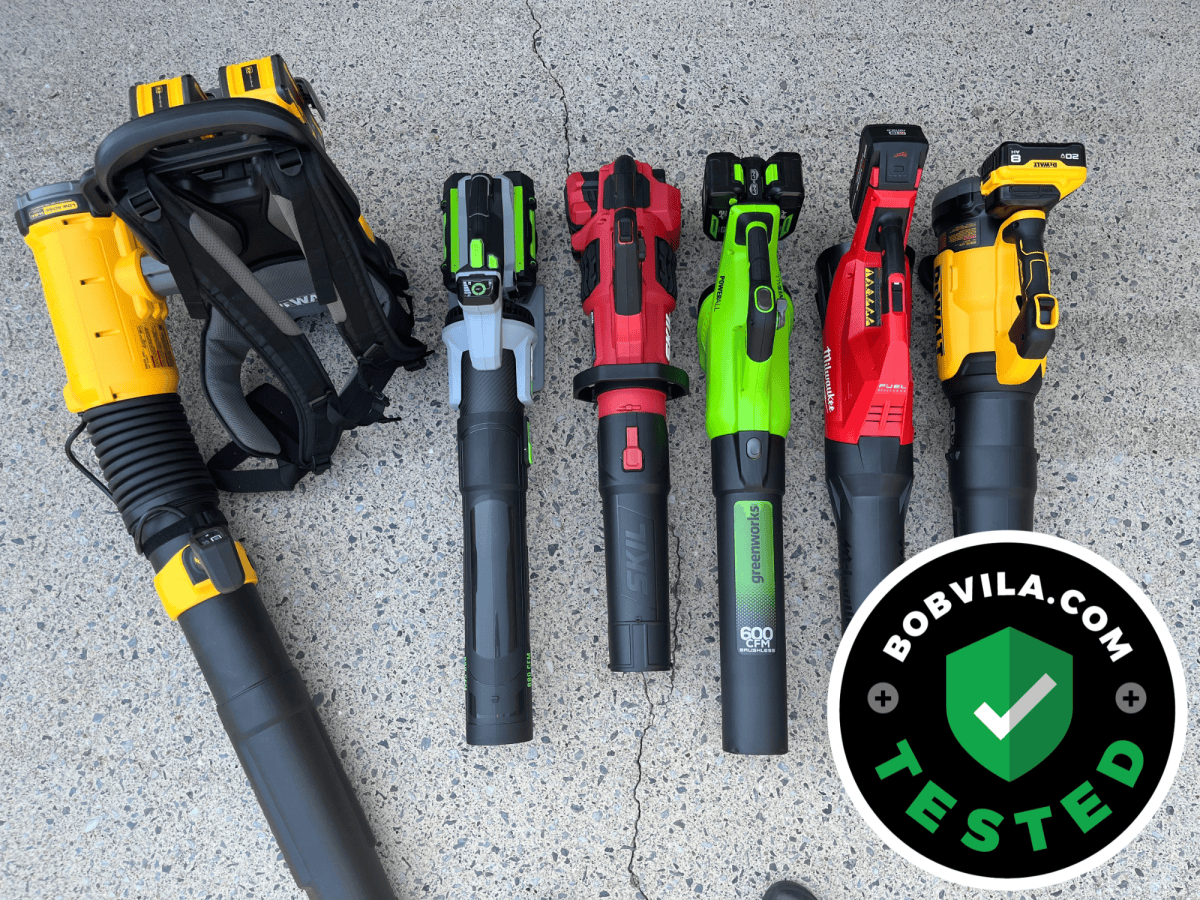
Blowers are available in gas-powered, corded electric, and battery-powered cordless versions. Physical form factors include small handheld units, larger backpack-style models worn on the shoulders, and wheeled walk-behind versions.
For small- to medium-size residential properties, Bendrick recommends a lightweight, low-noise model such as the STIHL BGA 50 for routine cleanup. For larger properties, she points to a backpack blower like the STIHL BRA 280, which holds two onboard batteries, allowing users to work longer without stopping to swap them out. The onboard battery capacity is a practical detail for anyone managing a property where a single charge would not cover the full area.
Where Leaf Vacuums Have the Advantage
A leaf vacuum operates in the opposite direction from a blower. Fallen leaves are pulled through a tube into a collection bag - the mechanism is closer to a household vacuum than to a blower. That means the debris goes with the machine rather than being pushed ahead of it, which changes what kinds of tasks it handles well.
Bendrick describes the vacuum’s distinct strengths: “A leaf vacuum is useful for collecting smaller piles and cleaning around garden beds, shrubs, and other tight spaces. Because it shreds leaves as it collects them, it can also reduce their volume for disposal or composting.”
The shredding function is worth paying attention to. A collection bag filled with whole leaves compresses very little and fills quickly. Shredded leaves take up significantly less volume, which means fewer trips to empty the bag and, if you’re composting, material that breaks down faster. Many leaf vacuums also mulch collected debris, making the output usable directly in a garden rather than something that needs to be discarded.
When Wet or Densely Packed Leaves Are Involved
Because the vacuum pulls debris in rather than pushing it, wet or packed leaves become less of an obstacle for collection than they are for blowing. A blower relying on airflow loses effectiveness when leaves are heavy and matted down. A vacuum pulling material through a tube can handle some of that variation better, though specific performance depends on the model and motor power.
Handheld leaf vacuums work best for small yards with lighter debris loads. When leaf volume increases - whether the leaves are dry or wet - a backpack model or electric model with a larger collection bag and longer running time becomes more practical.
Gas vs. Electric, Handheld vs. Walk-Behind
Both blowers and vacuums are available in gas and electric versions, and both categories span a range of sizes. The trade-offs are roughly parallel between the two tool types.
Electric leaf vacuum models are generally considered quieter, easier to maintain, and typically less expensive than gas models. Gas models tend to be heavier and require more maintenance, but they are also well-suited for large yards where runtime and power output matter more than convenience or noise level.
Walk-behind vacuum models deserve a specific note here. Ramos clarifies that they are “typically meant to pick up only grass and other lightweight materials.” They are not designed for heavy debris. He describes their specific use: “You can easily bag up those browning lawn clippings with a walk-behind lawn vacuum, and you can even use those grass clippings as part of your compost pile for your garden.” He suggests this option to people who prefer pushing a vacuum over carrying one.
Walk-behind blowers occupy the upper end of the blower size range, suited for larger open areas rather than detailed cleanup around plantings or structures.
Matching the Tool to the Situation
The clearest way to sort this out is to think about what you need to happen to the leaves after the tool contacts them.
If the goal is to move a large volume of dry leaves across an open area quickly - consolidating them from a wide lawn into a pile at the edge - a blower is the faster, more direct choice. It requires little setup, works quickly across large flat areas, and handles the same job in warmer months with grass clippings or light debris.
If the goal is to collect leaves from around planting beds, shrubs, or other confined areas, or to reduce leaf volume for composting rather than just moving debris around, a vacuum’s combination of collection and shredding makes it more practical. You are not creating a pile that still needs to be dealt with - the material is captured and reduced in one step.
Some homeowners own one tool that converts between blower and vacuum modes. These combination units exist across several brands and price points. That flexibility addresses the core limitation of owning only one mode: a blower that cannot collect, or a vacuum that cannot quickly move leaves across wide open ground.
Property Size as a Starting Point
For small- to medium-size residential properties, a lightweight cordless blower handles routine seasonal cleanup efficiently. Larger properties - where a single battery charge would run out mid-task - benefit from a backpack blower with extended battery capacity, or a gas-powered option if runtime is the primary concern.
Leaf vacuum sizing follows similar logic. Handheld models suit smaller yards and lighter debris loads. Backpack models with larger collection bags are better matched to bigger properties or heavier leaf fall. Walk-behind vacuum options suit those managing primarily grass clippings rather than heavy autumn leaves.
The walk-behind vacuum’s limitation to lightweight materials is not a drawback if grass clipping management is the actual task - but it makes the tool a poor fit if heavy autumn leaves are the primary target.