Why Fall Is the Window That Matters
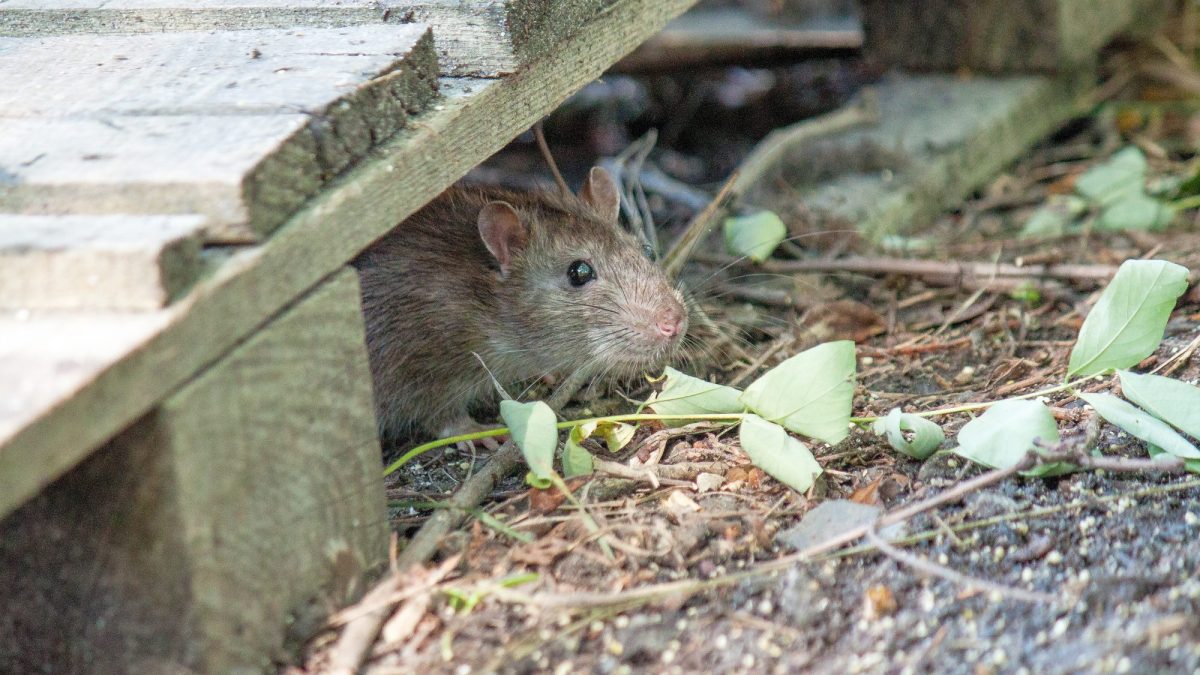
According to PestWorld.org, rodents invade an estimated 21 million U.S. homes each winter, and 24 percent of homeowners report mice infestations specifically during winter months. The movement typically happens between October and February, when rodents are searching for food, water, and shelter.
The exterior of a home creates the conditions that pull pests in before they ever reach interior spaces. Firewood stacks, deck skirting, and sheds are common staging areas - places where rodents and insects settle before finding a way inside. Addressing those spaces in early fall, before temperatures drop, gives you a narrower and more manageable problem to deal with.
Rats can squeeze through gaps as small as a quarter. That single fact shapes most of what follows.
Firewood Storage: Distance and Elevation Both Matter
Where and how you store firewood directly affects whether it becomes a harborage site for insects, spiders, and rodents. Brandon Runyon, a board-certified entomologist at Swat Pest Management in Evansville, Indiana, identifies two factors as most important: keeping the wood off the ground and keeping it away from the house.
“Keep it off the ground and out of the rain,” Runyon says. A stand - either purchased or built - accomplishes both. Wood sitting directly on soil stays damp, which attracts insects and gives rodents cover and nesting material. Elevating the stack reduces that.
Distance matters just as much. Runyon advises storing any woodpile at least 20 feet from the house. “Don’t keep it on the side of your house, either, since that creates a spot for insects, spiders, and critters to harbor and easily access your home,” he says. Covering the stack with a tarp adds a layer of protection from moisture without sealing it so tightly that condensation builds underneath - the goal is rain protection, not full enclosure.
Sealing Sheds and Deck Structures
A shed or deck that has not been inspected in a year or two is likely to have developed gaps at the base, around vents, along door frames, or where different materials meet. A methodical inspection of walls, floors, doors, vents, and base sections is the starting point. Look for cracks, holes, and any spot where light comes through from the outside.
Once gaps are identified, the appropriate filler depends on size and location. Smaller cracks can be addressed with caulk or silicone. Larger openings may need expandable foam, steel wool, weather stripping, or wire mesh. Steel wool in particular is often used for holes where pipes or cables pass through walls, since rodents can chew through foam alone.
For the space underneath elevated sheds and decks, Runyon recommends installing a perimeter barrier. Wire mesh skirting, mesh screens, or lattice panels anchored slightly below ground level can block mice, insects, snakes, raccoons, and burrowing pests from moving underneath the structure. On the size of the mesh openings, he keeps the guidance simple: “the smaller, the better.”
Food Storage in Outbuildings
Any food left in a shed or garage creates an attraction point. This includes obvious items like birdseed and pet food, but also food-adjacent waste - trash bags, compost materials, or containers that haven’t been fully cleaned out.
Matt Smith, a licensed professional pest control technician and co-owner of Green Pest Management in Delaware, points specifically to pet food as a common and often overlooked issue. “A big problem is when people leave their pets’ food out,” he notes. His recommendation is to store pet food in sealed containers and to measure out portions rather than leaving excess in a bowl or open bag, since leftovers are a consistent draw for rodents.
Birdseed is worth treating with the same approach. Even a partially open bag stored in a shed gives rodents both a food source and a reason to stay. Airtight, hard-sided containers are more effective than plastic bags or soft packaging that can be chewed through.
Securing Garbage Near Exterior Structures
Garbage stored near a shed or deck can attract raccoons and other animals even before they target the structure itself. Runyon’s advice is direct: keep trash cans covered. Lids that lock or latch are more effective than standard snap-on lids, which raccoons in particular can move. Pest-resistant trash cans with sealed lids are available as a purpose-built option if standard cans have caused repeated problems.
The placement of garbage cans also matters. Cans stored immediately adjacent to a deck or shed give animals a reason to linger right next to those structures. Moving them further from the building, or storing them in a secured area, reduces that proximity.
Natural Deterrents: What They Apply To and What They Don’t
Several plant-based and aromatic deterrents are commonly used around decks and sheds, with varying specificity. These are not substitutes for sealing gaps or removing food sources, but they are sometimes used alongside those measures.
Citronella candles, placed around a deck, are used to deter mosquitoes, flies, and similar flying insects. Certain plants - rosemary, garlic, lemongrass, chrysanthemums, and marigolds - are described as deterrents for unwanted pests when planted near sheds and decks, though this applies to the general range of insects and animals these sources address, not to any single pest specifically.
For ant infestations specifically at the base of a shed or deck, sprinkling coffee grounds or cinnamon around the perimeter is a commonly used approach. Essential oils - eucalyptus, peppermint, and lavender among them - are sometimes sprayed around these areas as additional deterrents.
These plant-based approaches are presented as supplemental options in the context of the advice gathered here. None of the pest management professionals quoted in this piece describe them as primary or standalone solutions.
Organizing the Shed Itself
A disorganized shed makes inspection harder and gives pests more places to nest undisturbed. Cardboard boxes on the floor are particularly problematic - they absorb moisture, provide nesting material, and are easy for rodents to chew through. Replacing floor-level cardboard storage with plastic bins with lids removes both the nesting material and the food residue that sometimes collects in old boxes.
Keeping the floor clear and items elevated where possible means that any signs of pest activity - droppings, gnaw marks, nesting debris - are easier to spot during a routine check. A shed that is organized primarily for convenience is also, incidentally, easier to inspect.
A Practical Sequence for Fall Preparation
The steps above work better in sequence than in isolation. Sealing entry points while a food source remains inside the structure is less effective than doing both. Storing firewood correctly while leaving garbage cans unsecured nearby leaves an adjacent draw in place.
A reasonable order of operations: inspect and seal gaps in the shed and deck perimeter first, then address food storage and garbage containment, then relocate and elevate any woodpiles. Natural deterrents, if used, fit in after the structural and storage steps are addressed.
Runyon’s note about perimeter barriers being anchored “slightly underground” is worth taking literally - barriers that sit at ground level rather than below it can be bypassed by burrowing pests without much effort.