The Garden Chore Most People Don’t Know They Can Skip
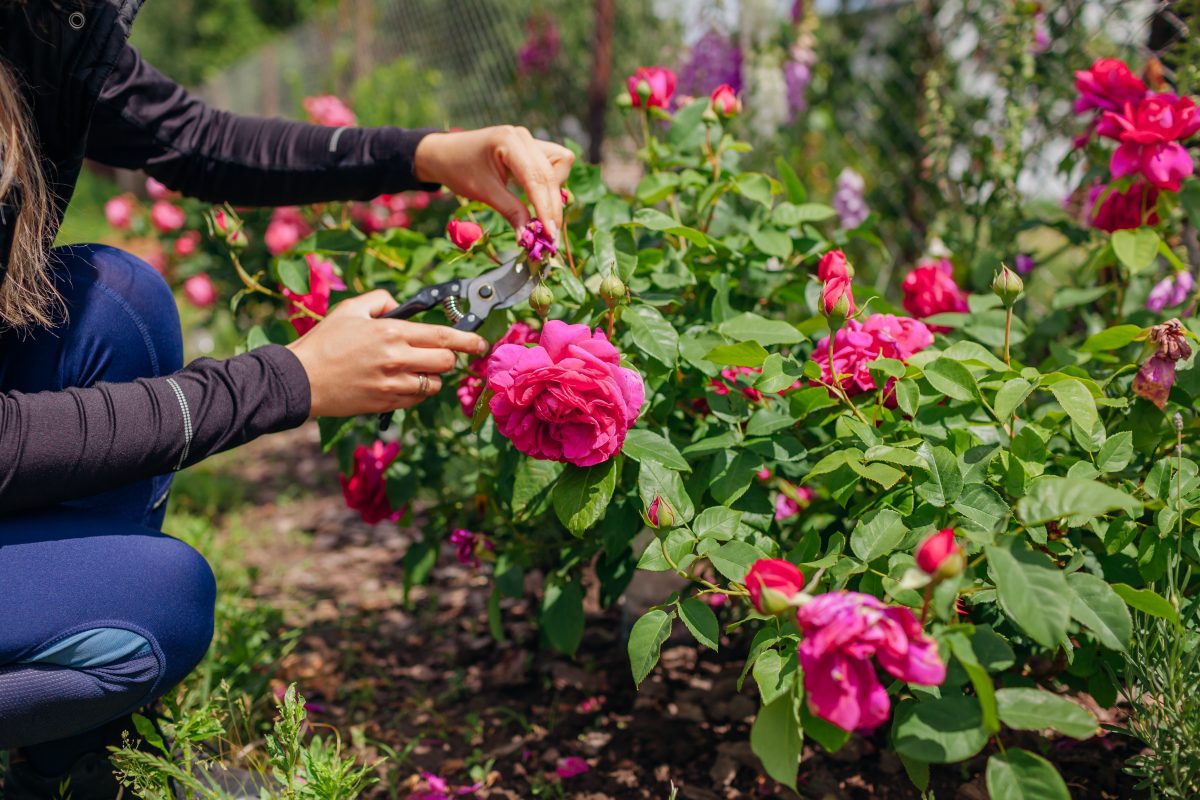
Deadheading - pulling off spent, faded flowers so a plant keeps blooming and stays presentable - is one of those outdoor tasks that quietly eats up weekend hours. Roses demand it. So do marigolds and zinnias. But not every flowering plant works that way, and choosing the right ones from the start means a cleaner-looking garden with significantly less hands-on intervention.
The logic behind deadheading is straightforward: when a plant is allowed to go to seed, it redirects energy away from producing new flowers and toward seed development. Remove the dying bloom, and the plant puts that energy back into flowering. But some plants either self-clean - dropping old petals on their own - or simply don’t rebloom after cutting, making the whole exercise pointless or even counterproductive.
Plants That Handle Their Own Cleanup
Angelonia
Angelonia (Angelonia angustifolia), sometimes called the summer snapdragon, drops its old flowers naturally as the stem continues growing and pushing out new buds. There’s no buildup of dried, brown debris clinging to the plant the way there is with roses or zinnias. It blooms through summer in shades of pink, purple, and white, and its fruity scent intensifies in warmer weather - which draws in hummingbirds and butterflies without any extra effort from you.
It grows in full sun, reaches 1 to 1.5 feet tall and about 1 foot wide, and tolerates drought well enough that it doesn’t need frequent watering. Soil should be medium to moist, well-draining, and reasonably rich. Hardiness zones 9 to 11 are its natural range, but it performs as an annual in cooler regions.
Wax Begonia
Most begonias are self-cleaning, shedding petals after they’ve finished blooming without leaving a ragged mess behind. Begonia semperflorens - the wax begonia - is a particularly good example. It’s a compact, bushy plant with waxy deep green leaves arranged around single or double flower heads in white, pink, or red. As old blooms finish, the waxy petals fall cleanly away, and the plant maintains a tidy look throughout the season without any intervention.
Wax begonias prefer partial sun and grow between 0.5 and 1.5 feet tall and wide. They need regular, thorough watering and well-draining soil. Like angelonia, they’re hardy in zones 9 to 11 and treated as annuals elsewhere.
Plants That Actually Benefit From Being Left Alone
Columbine
Columbines (Aquilegia spp.) are woodland wildflowers with tubular, bell-shaped blooms that hummingbirds are drawn to reliably. They’re low-maintenance perennials that don’t need deadheading - and more than that, skipping it is actively useful. When spent blossoms are left on the plant, they transition into seed pods, which self-sow into the surrounding soil and produce new plants for following seasons. Those same seed pods also feed local birds.
Varieties come in pink, white, purple, lavender, and burgundy red. Columbines handle full sun to partial shade, grow 1 to 3 feet tall and 1 to 2 feet wide, and prefer evenly moist, well-draining soil with consistent watering. They’re hardy across a wide range - zones 3 to 9 - which makes them a practical choice for most climates.
This is a plant where doing less genuinely produces better results over time.
Hydrangea
Hydrangeas are where deadheading can cause real problems if applied without knowing the variety. Most hydrangeas form their flower buds on old wood - meaning stems from the previous season’s growth. If you remove spent flowers from these varieties, you’re not encouraging new blooms; you’re cutting away next year’s potential flowers before they’ve had a chance to develop.
Reblooming hydrangeas, like those in the Endless Summer series or the Pop Star variety, are bred differently. They produce flowers on both old and new stems, so deadheading in summer is fine for these types. The important detail: stop removing blooms by midfall, or you risk eliminating the buds forming for next year. Hydrangeas grow in full sun to partial shade, reach 3 to 8 feet tall and wide depending on variety, and prefer medium moisture, well-draining, rich soil. They’re hardy in zones 3 to 9.
Why This Matters for Routine Garden Upkeep
Most garden cleanup advice focuses on what to do - what to prune, what to cut, what to remove. Less attention goes to identifying which plants genuinely don’t need that kind of management. Selecting self-cleaning or low-deadhead plants at the start is the equivalent of choosing a countertop material that doesn’t require sealing: the maintenance reduction is baked in, not added later.
Angelonia and wax begonias handle petal drop on their own, so there’s no weekly pass required to pull off browning heads. Columbines reward neglect by spreading themselves naturally and feeding wildlife in the process. Hydrangeas - at least the traditional, old-wood bloomers - should largely be left alone from late summer onward to protect next season’s flowers. The Endless Summer and Pop Star varieties are the exception, but even those have a hard cutoff at midfall.
The practical upshot is that a garden planted with a mix of these species can look well-maintained with considerably less time spent per week. None of these plants require the kind of regular, methodical deadheading that roses or zinnias do. Angelonia grows to just 1 to 1.5 feet, so it fits into border plantings without dominating the space. Hydrangeas, by contrast, can reach 8 feet tall and wide - a dramatic presence that requires almost no grooming to stay presentable, assuming you’re not cutting back the wrong stems at the wrong time.
The Ongoing Maintenance Question
There’s a broader pattern worth noting here. Many gardeners spend hours on tasks that certain plant choices would eliminate entirely. Deadheading is one example. Reseeding annuals every year is another - which columbines sidestep by self-sowing from their own seed pods when left intact. Choosing plants partly based on their self-maintenance characteristics isn’t laziness; it’s efficiency applied to outdoor space the same way it applies indoors.
The overlap with household cleaning logic is real. Low-maintenance plants reduce the physical task list the same way better-designed storage reduces clutter accumulation - not by solving a problem after it appears, but by removing the conditions that create it. Wax begonia petals drop and decompose. Columbine seed pods feed birds and produce next year’s plants. Hydrangeas on old wood don’t need attention after summer. Each of these is a case where stepping back produces a cleaner outcome than stepping in.
Wax begonias in full bloom typically cost between $3 and $8 per plant at most garden centers, making them among the cheaper options for low-effort seasonal color.