Why the Attic Deserves Attention Before Cold Weather Arrives
Most people treat the attic as dead storage - boxes of holiday decorations, old luggage, items without a clear home elsewhere. But the attic plays a direct role in how warm your house stays and how hard your heating system has to work to maintain that warmth. According to the EPA, proper attic insulation can save an average of 15 percent on heating and cooling costs. That number is worth pausing on before you decide the attic can wait another season.
Mickey Chastain, Director of Product and Technical Training at Knauf Insulation, Inc., puts it this way: “The attic should be seen as a critical part of the home’s thermal envelope. When it’s properly insulated, it can help maintain consistent indoor temperatures, support heating efficiency, and reduce the risk of winter issues such as drafts, cold spots, and ice damming.”
Skipping a pre-winter attic check does not just affect your energy bill. A poorly prepared attic can also increase the likelihood of pest entry, excess moisture buildup, and mold growth - none of which stay neatly contained to the attic once established.
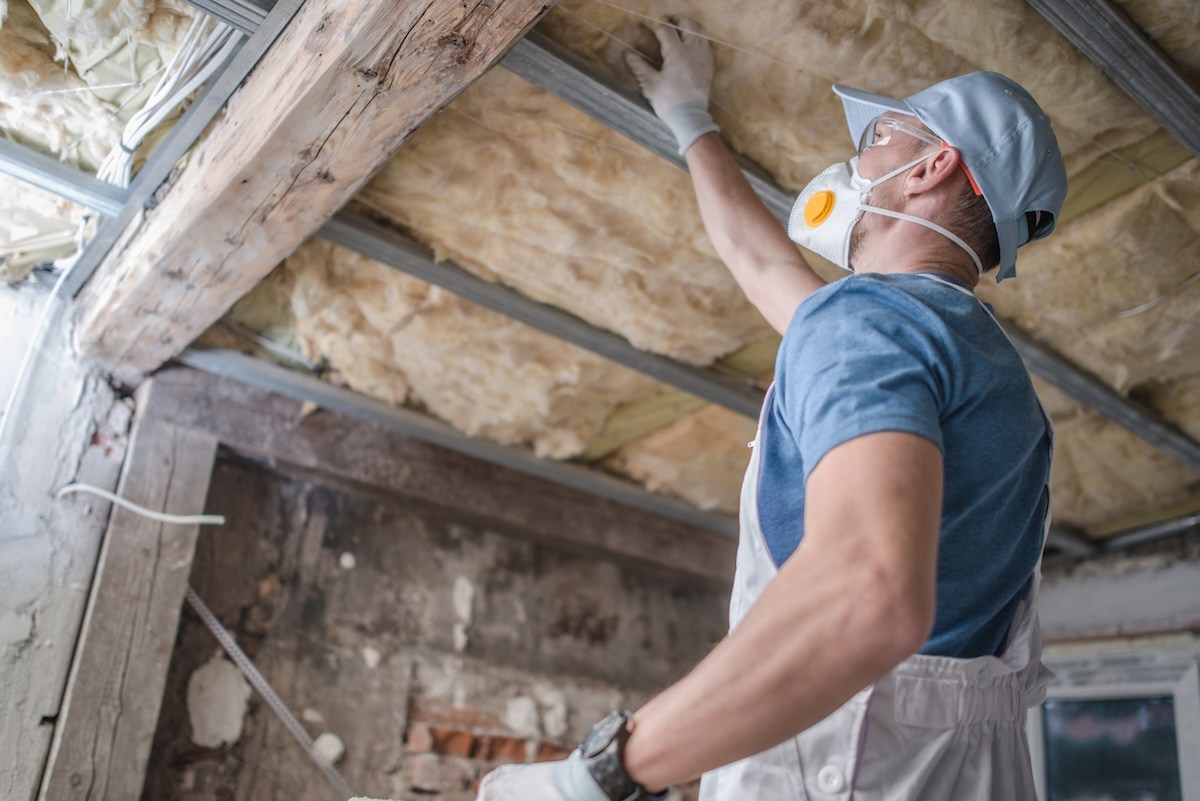
Before you head up there, a brief note on safety: many attics are unfinished spaces, and moving through them requires care. Wear goggles, long sleeves, long pants, closed-toed shoes, and a hat. Fiberglass insulation and mold are both real hazards in an enclosed attic environment.
Start With Air Leaks, Not Insulation
The instinct when preparing an attic for winter is to pile on more insulation. That is the wrong starting point if your attic has unaddressed air leaks. Warm indoor air escaping through cracks and gaps around fixtures, vents, or the attic access hatch undermines whatever insulation is already present, contributes to moisture problems, and drives up heating costs.
Jeff Gordun, VP of Delivery (Phoenix) at Power Home Remodeling, recommends checking “for drafts or gaps around the attic, including near light fixtures, vents, and access hatches.” He adds that air leak symptoms are not always limited to the attic itself: “If you notice uneven temperatures or rooms that feel much colder or warmer than others, then you may have a ventilation issue in the attic that needs to be addressed before winter.”
One straightforward inspection method: turn off artificial lights and walk through the attic on a sunny day. Natural light filtering through small openings makes gaps easier to spot than a flashlight sweep would. Courtney Klosterman, home insights expert at Hippo Insurance, offers another indicator: “Note dusty or dirty insulation, since it can be a sign of an air leak.” Air movement carries dust, and insulation that sits in a high-traffic air path picks up that debris over time.
Once you have identified gaps, use caulk to seal them. Caulk applied around leaks helps retain warm air and also provides a basic barrier against water infiltration and pest entry.
Sam Gordon, Owner at Air Quality Express, is direct about the sequencing: “Seal first, then insulate to the recommended depth.” Skipping this order is one of the more common attic prep mistakes - homeowners add insulation over unaddressed gaps and end up with the same heat loss and condensation problems they were trying to fix.
Inspect the Insulation Itself
After sealing, look at the condition of whatever insulation is already there. Insulation that was once thick and fluffy compresses and sags over time, and compressed insulation performs poorly compared to its original state. Gordun describes the check simply: “If it was once fluffy and full but now looks compressed or has sagged over time, then you’ll likely need more insulation to protect the home from winter temperatures.”
Pay attention to depth as well. If the insulation level has dropped below the floor joist in the attic, that is a sign that more material is needed. Repair or replace any visibly damaged sections before adding new insulation on top.
Gordon’s warning about where homeowners go wrong is worth repeating here: “Most homeowners pile insulation on top of gaps around recessed lights, the attic hatch, and plumbing and wiring penetrations, but warm, moist air leaking up through those gaps is what drives both heat loss and winter condensation.” More insulation placed over an air gap does not solve the gap - it just covers it.
Check Ventilation Separately From Insulation
Ventilation and insulation address different problems and should be assessed independently. Good insulation retains heat in the living space below. Proper ventilation, meanwhile, manages moisture and temperature in the attic itself - preventing condensation from accumulating on structural surfaces and reducing the conditions that support mold growth.
If your attic feels unusually warm in winter or you notice frost or condensation on rafters, that can point to a ventilation problem. Addressing ventilation issues before they worsen is considerably simpler than dealing with the moisture damage or mold remediation that follows from ignoring them.
Signs That the Attic Is Affecting the Rest of the House
Gordon identifies three specific warning signs that often trace back to attic problems: “Rooms that run cold, ice-related roof issues, or heating bills climbing faster than they should usually point back to the attic.”
Ice damming - where ice forms at the roof’s edge and prevents meltwater from draining properly - is frequently connected to heat escaping from the living space into the attic and warming the roof unevenly. Cold rooms on upper floors, particularly those directly below the attic floor, can reflect inadequate insulation depth or air leaks in the thermal boundary. A sudden or sustained increase in heating costs without a corresponding change in weather or thermostat settings is worth investigating from the top down.
None of these symptoms are definitive proof of a specific problem, but all of them justify a closer look at the attic before winter arrives in full.
Address Pests and Debris Before They Become Larger Issues
An attic inspection before winter is also a useful opportunity to look for pest activity. Rodents and insects are more likely to seek shelter in enclosed spaces as temperatures drop, and an attic with small gaps or cracks around the roofline gives them a path inside. Sealing air leaks serves a dual purpose here - it reduces both thermal loss and points of pest entry.
Check for signs of current infestation: droppings, nesting materials, gnawed insulation or wiring. If you find evidence of pests, address the infestation and repair any damage before insulating or sealing, since nesting materials inside wall or attic cavities can create ongoing problems.
On the exterior, debris accumulation on the roof and in gutters affects how well the whole system manages winter weather. Leaves and debris on the roof can hold moisture against roofing materials. Clogged gutters prevent proper drainage, which can contribute to ice formation at the eaves.
A Professional Energy Assessment as a Follow-Up
If after walking through the attic you are uncertain about what you found - or if you suspect problems but cannot locate their source - a home energy assessment provides a more systematic picture. A professional assessment uses tools like blower door tests to measure air leakage throughout the home and identify where the thermal envelope is weakest. This is particularly useful if heating costs have been rising without a clear explanation.
An assessment is not a substitute for the inspection steps above, but it can identify issues that are difficult to find through visual inspection alone, including leaks inside wall cavities or around structural penetrations that are not easily visible from the attic floor.
The attic hatch itself - often overlooked - is one of the more common sources of heat loss in an otherwise well-insulated attic. If yours is uninsulated or fits loosely in its frame, it is worth adding insulation material to the back of the hatch panel and ensuring the frame seals properly when closed.