The Tool Mismatch Problem Nobody Talks About
There’s a moment in almost every home project where things slow to a crawl - not because the task is hard, but because the tool in your hand was built for something else entirely. You’re trying to cut through stubborn soil with a spade meant for flower beds, or you’re cleaning grout with a brush too wide to reach the channel. The frustration isn’t about skill. It’s about fit.
Post hole diggers exist precisely because generic tools fail at specific jobs. Designed to create deep, narrow holes for fence posts, deck footings, pergolas, gazebos, mailboxes, basketball hoops, lamp posts, and flag poles, these tools work because they do one thing well. That same logic applies directly to how you stock your cleaning and organization supplies at home.
The principle transfers cleanly: understanding what a tool was built for before you buy or rent it saves money, reduces wasted effort, and produces better results.
Manual vs. Powered - And Why the Distinction Matters
The Case for Manual Tools
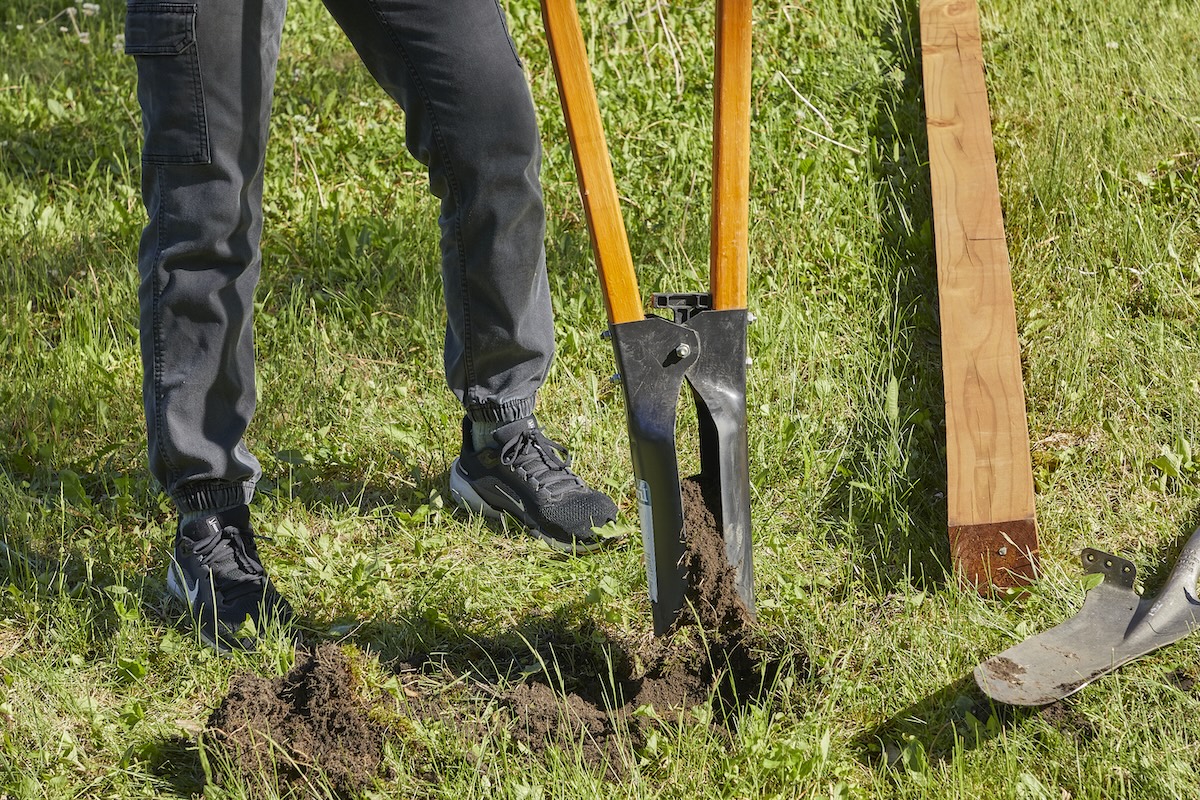
There are two main manual post hole digger types - clamshell diggers and manual earth augers - and each suits a different material and depth. Clamshell diggers use two opposing concave metal blades attached to long handles. You press down, pull the handles apart to pinch the dirt, then lift the soil out. They work well in loose dirt for shallow holes, like planting a garden bush.
Manual earth augers take a different approach. A spiral, screw-like blade drives into the ground as you turn the T-handle, and you pull the tool upward to remove displaced soil. The physical effort is real and significant, but the result is a clean, precise hole - the kind needed for a mailbox post or a freestanding bird feeder. The Ames Post Hole Digger, available at The Home Depot for $66, handles obstructed areas where tree roots and underground debris make every inch harder than the last.
The cost-to-use logic here is the same one that applies to cleaning tools. A $66 manual tool that you keep at home makes sense if your projects come up regularly. For a one-time job, renting from a home improvement or tool rental store is the smarter path.
When Power Changes the Equation
Powered post hole diggers - also called auger post hole diggers - come in four distinct configurations, and the differences go beyond just motor size.
One-person handheld models are compact and light enough for a single operator to manage standard fence posts and deck footings without help. Two-person handheld models exist because some soil - rocky ground or earth densely threaded with roots - generates torque that one person physically cannot control safely. The second operator isn’t a suggestion; it’s a safety requirement. Towable or wheeled post hole diggers mount on a wheeled frame, removing the weight burden from your back entirely. A manual crank or hydraulic lever raises and lowers the drill bit, which makes them especially practical on uneven terrain or when you’re drilling multiple holes in sequence. At the far end of the scale, 3-point post hole diggers attach directly to a tractor’s PTO (Power Take-Off) and hydraulic system, using the machine’s full weight and power to drill extremely deep or wide-diameter holes - though for most homeowners, this is more capacity than any residential project will ever need.
The Ryobi 40V 8-inch Earth Auger Kit, priced at $449 at The Home Depot, sits in the one-person handheld category and includes built-in kickback protection, which matters more than most buyers realize until they’re mid-hole in compacted clay.
What Safety Gear Actually Does
This is the section people skim. Don’t.
Snug-fitting clothing, steel-toed boots, gloves, and both eye and ear protection are the minimum standard for operating any post hole digger, manual or powered. The risks are different depending on the tool - a clamshell digger in loose soil is low drama, but a two-person powered auger in rocky ground produces kickback forces that can wrench wrists and shoulders badly. Snug clothing specifically matters because loose fabric near any rotating bit creates a catching hazard that escalates fast.
The same pattern shows up in home cleaning contexts. The right protective equipment - whether that’s gloves when handling chemical cleaners or eye protection when working with spray-based degreasers - isn’t caution theater. It’s the difference between a finished project and a trip to urgent care.
Renting vs. Buying: The Actual Numbers
For infrequent digging projects, buying a powered auger at $449 doesn’t make financial sense. Most tool rental stores and home improvement chains carry one-person and two-person powered post hole diggers by the day. A daily rental typically runs far less than the purchase price, and you return the maintenance burden along with the machine.
Buying makes sense at two points: when you use the tool enough that rental costs compound past the purchase price, or when you do enough fence, deck, pergola, or gazebo work that having the tool on hand saves you scheduling around rental availability. The Ames manual digger at $66 is low enough that ownership is reasonable for almost anyone with a yard.
The same math applies to organization and cleaning equipment. A steam cleaner you’ll use twice a year is a rental. A quality vacuum you use weekly is a purchase.
Matching Soil Type to Tool - A Detail Most Guides Skip
Loose Soil
Clamshell diggers are the right call for loose or sandy soil and for shallow work. The two-blade pinch-and-lift mechanism works efficiently when the ground gives way without resistance. Trying to use a clamshell digger in rocky, clay-heavy, or root-filled soil means fighting the tool on every pull.
Rocky or Root-Dense Ground
This is where powered two-person augers earn their place. The torque required to drive a spiral bit through compacted earth or around embedded rocks is beyond what a single person can safely control, and beyond what any manual tool generates at all. If your soil sits in this category, the equipment step-up isn’t optional - it’s what gets the hole dug without injury.
Uneven Terrain and Repetitive Holes
Towable or wheeled diggers handle both problems. When you’re sinking a row of fence posts across sloped ground, the wheeled frame keeps the drill positioned consistently and takes the weight off the operator’s back. For deep, repetitive holes, this is the configuration that doesn’t leave you exhausted before the project is half done.
The Organizational Lesson Underneath All This
Every category of tool above exists because a general-purpose solution either can’t do the job or does it so inefficiently that the time and effort cost isn’t worth it. This is exactly the reasoning that should govern how you approach cleaning supply storage and tool selection at home.
A $66 clamshell digger for shallow garden work. A $449 Ryobi auger for serious fence installation. A rental for the one project that sits outside your normal scope. The categories are clean because the problems are specific.
When your cleaning closet holds seventeen products and you still can’t find the right one when you need it, the problem usually isn’t quantity - it’s that nothing was chosen with a specific surface, material, or task in mind. The post hole digger is a good model: narrow purpose, clear material requirements, honest about when a more powerful version is necessary.
The Ryobi 40V 8-inch Earth Auger Kit costs $449 at The Home Depot. If you’re drilling one mailbox hole this decade, that’s a rental.