Why Soundproof Curtains Require a Different Cleaning Approach
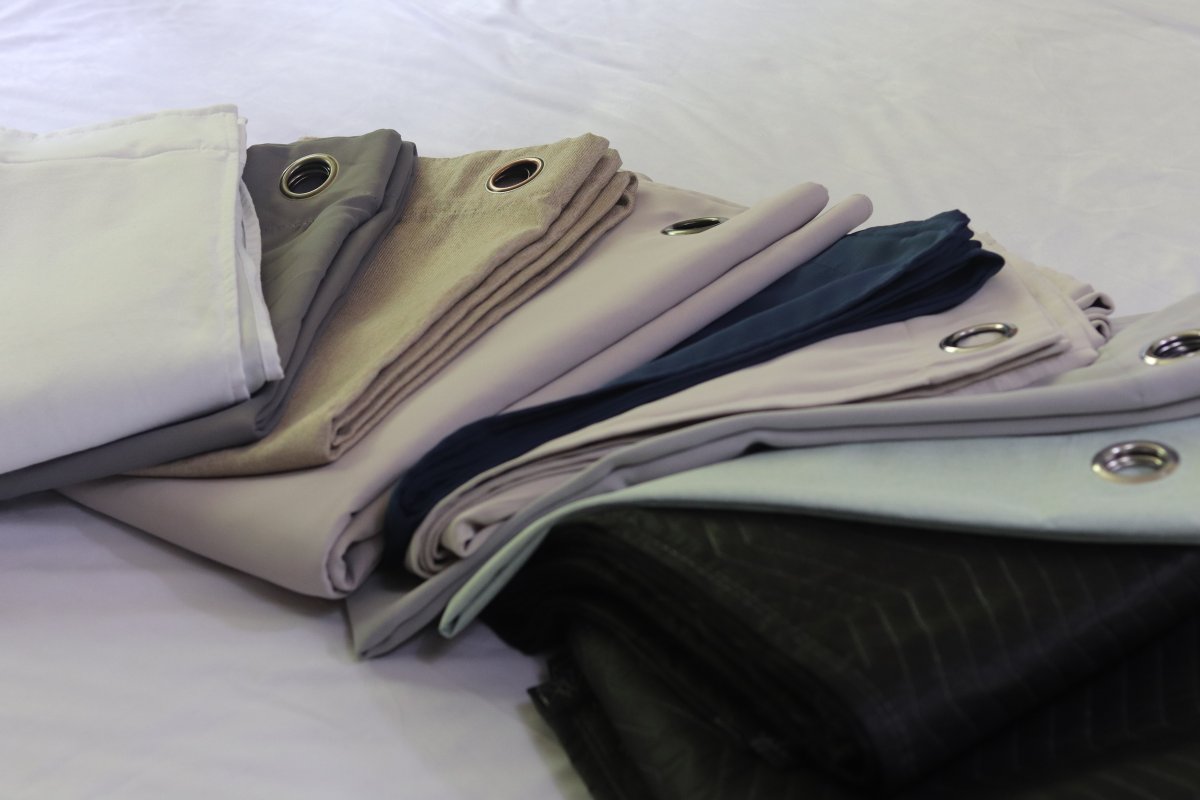
Soundproof curtains are not standard window panels. Many are constructed from multiple layers - sometimes three or more - using dense polyester, polyester-linen blends, recycled cotton, and in some cases a thin aluminum component. A few include detachable felt liners. That layered construction is what gives them their noise-absorbing and light-blocking properties, but it also makes routine cleaning more involved than tossing a simple linen panel in the wash.
Getting the care wrong on a heavy multi-layer curtain can permanently alter how it hangs, compress the fibers that do the acoustic work, or cause a detachable liner to shrink at a different rate than the outer fabric. Understanding what your specific curtain is made from is the first step before doing anything else.
Check the Label and the Construction Before You Start
Before washing any soundproof curtain, pull out the care label and read the full contents. This matters more than it does for lighter curtains because the fabric composition varies significantly across products. A curtain made from 100 percent polyester behaves differently in a washing machine than one made from 70 percent polyester and 30 percent linen. Linen shrinks when exposed to heat; polyester generally does not, but high heat can cause it to pill or distort.
If your curtains have a detachable felt liner - as some products like the RYB Home 100% Blackout Soundproof Curtains include - separate the liner from the outer panel before cleaning. Felt and woven fabric panels almost always have different care requirements, and washing them together risks uneven shrinkage that can make reattachment difficult or cause the outer panel to pucker.
For curtains with a layered construction that cannot be separated - such as those combining a polyester face fabric with a recycled cotton inner layer and a thin aluminum second layer, as found in the Moondream 3-in-1 - hand washing or a delicate machine cycle with cold water is the safer starting point. The aluminum-containing layer (0.01 percent aluminum in the Moondream’s second layer) is not a thick foil, but aggressive machine agitation on a heavy three-layer panel can stress seams and header tape.
Machine Washing: What Usually Works and What to Watch
Most soundproof curtains made from all-polyester or polyester-blend fabrics can tolerate machine washing, provided you use the right settings. Cold water and a gentle or delicate cycle reduce the risk of fiber distortion in dense woven panels. Avoid using high-spin speeds on heavy curtains - the centrifugal force on a waterlogged, multi-layer panel can pull the fabric out of shape or strain the rod-pocket or grommet header.
Use a mild liquid detergent rather than a powder. On thick fabric, powder detergent can leave residue that is difficult to rinse out fully, particularly in the denser inner layers where water penetration is already slower.
Curtains with a very high polyester content - like the BGment Insulated Blackout Soundproof Curtains or the Pony Dance Blackout Insulated Soundproof Curtains, both made from polyester - are generally more forgiving in the wash than blended fabrics. Even so, washing one panel at a time in a large-capacity machine rather than cramming both panels in together gives the fabric room to move and rinse properly.
Drying Soundproof Curtains Without Damaging Them
This is where things go wrong most often. Heavy curtains dry slowly, and the temptation is to use a high dryer setting to speed things up. High heat is the fastest way to damage a dense polyester panel - it can cause surface pilling, subtle shrinkage around the header, or in the case of linen-blend curtains, noticeable overall shrinkage.
The safer approach is a low-heat or air-fluff dryer cycle, or line drying. If you line dry, hang the panels lengthwise rather than folded over a line, which can leave a permanent crease down the center. Redistribute the fabric periodically as it dries to help it hang evenly.
For polyester panels specifically, removing them from the dryer while they are still slightly damp and hanging them immediately on the curtain rod allows gravity to pull out most remaining wrinkles as the fabric finishes drying in place. This is a practical step that reduces the need for steaming afterward.
Dealing With Wrinkles
Wrinkles are a known issue with some soundproof curtains. The Pony Dance Blackout Insulated Soundproof Curtains, for example, hold wrinkles and may require steaming after washing or unpacking. That is not unusual for a dense, triple-weaved polyester panel.
A handheld garment steamer works well on most polyester and polyester-blend soundproof curtains. Hold the steamer head a few centimeters from the fabric surface and work from the top of the panel downward. Do not press a dry iron directly onto a polyester curtain without a pressing cloth - direct contact at ironing temperatures can melt or flatten the surface fibers of polyester.
For curtains with linen content, check the care label before steaming, as linen responds differently to steam than polyester does. Some linen blends need a light pressing cloth even when steaming to avoid water spotting.
If a curtain has a detachable felt liner, do not steam the felt directly. Felt is typically made from compressed fibers that can distort or harden with direct steam exposure. Spot-clean felt liners with a damp cloth and mild soap, then allow them to air dry flat.
Spot Cleaning Between Full Washes
Full washing is not always necessary for light surface soiling. For dust and light surface marks, spot cleaning with a damp cloth and a small amount of mild liquid soap is often sufficient and puts less stress on the curtain’s construction than a full machine wash cycle.
Work from the outside edge of any mark toward the center to avoid spreading it. Blot rather than rub - rubbing can push the soiling deeper into a dense fabric or cause pilling on the surface. Rinse the spot with a clean damp cloth and allow it to air dry before rehanging.
For curtains in spaces that collect more airborne grease or cooking residue - near kitchen windows, for example - more frequent light cleaning is more practical than less frequent deep washing, which subjects the layered construction to repeated stress.
How Often to Wash Them
Most soundproof curtains do not need to be washed as frequently as lighter window panels. Because they are heavier and hang farther from the wall in many installations, they collect less dust on interior surfaces. A general practice is to vacuum the fabric surface with an upholstery attachment every few weeks to remove surface dust, and to wash the panels fully two to four times a year, depending on the room and how much the windows are opened.
In rooms with higher humidity - bathrooms or spaces prone to condensation - check periodically for any signs of moisture retention in the inner layers, particularly on curtains with a recycled cotton interior layer. Cotton holds moisture longer than polyester and can develop odor if the curtain is not allowed to dry thoroughly after any exposure to humidity.
Hanging Them Back Correctly
After washing and drying, rehang soundproof curtains while they are still slightly cool. For curtains available in a wide range of sizes - some products come in nearly 40 or more colorway and size combinations - make sure you are rehanging the correct panel on the correct rod and that the header (whether rod pocket, grommet, or clip ring) is properly seated before the fabric finishes settling.
Heavy curtains can take 24 to 48 hours to fully relax back into their hung position after washing, particularly if they spent time folded or in a dryer. Resist the urge to re-steam immediately - give the panels time to hang and let gravity do most of the work first.
A detachable felt liner, if your curtains include one, should be reattached only after both the liner and the outer panel are completely dry.