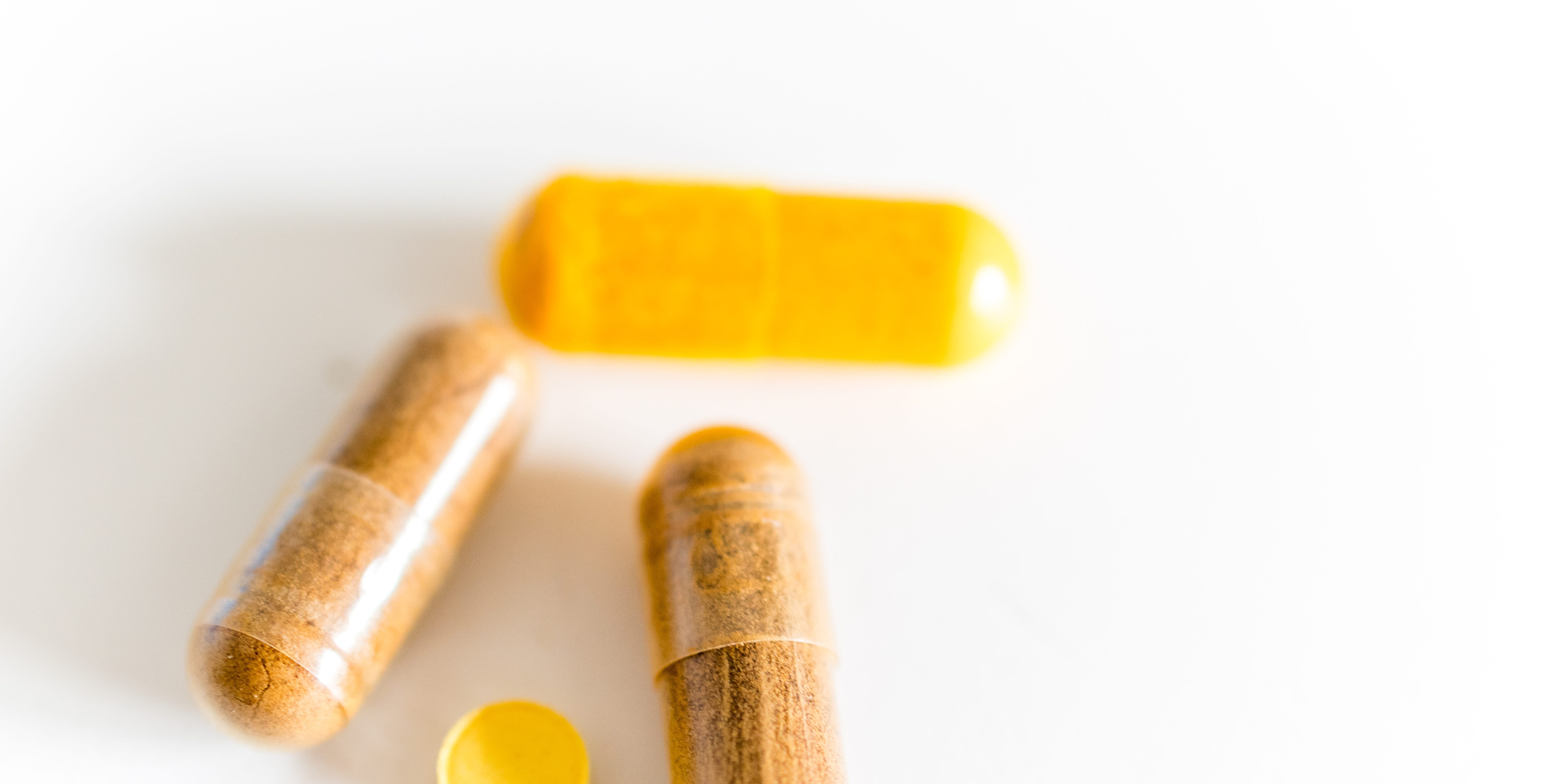
Turmeric has gone from a humble kitchen spice to a popular wellness trend, but are its health benefits truly evidence-based or largely overstated? Rooted in Ayurvedic and traditional medicine systems, this bright yellow spice has been used for centuries to support skin, joint, and digestive health, long before it appeared in supplement aisles. Today, it’s being added to everything from lattes to capsules, raising questions about how much benefit people are actually getting from it.
“Turmeric is a culinary staple ingredient in many Indian, Persian, and Thai dishes,” explains Julie Stefanski, M.Ed., R.D.N., registered dietitian and spokesperson for the Academy of Nutrition and Dietetics. “Turmeric’s bright yellow color reflects the strong antioxidant actions it can have in the human body.”
Here’s what the research really says about turmeric’s potential benefits and the risks worth knowing before adding more of it to your diet.
Turmeric Fights Inflammation
Turmeric’s active compound, curcumin, is a polyphenol that’s been studied for its antioxidant and anti-inflammatory properties, and its potential role in chronic inflammation - the body’s ongoing immune response that, when prolonged, can contribute to tissue damage and disease risk. Inflammation itself is a complex process tied to a range of health conditions, often measured in research through biomarkers linked to oxidative stress - an imbalance between free radicals and antioxidants in the body. Early studies suggest curcumin may help influence these pathways and support cellular and vascular health, but human evidence is still developing.
At the same time, inflammation isn’t driven by any single food or ingredient; it reflects the bigger picture of lifestyle, including diet quality, movement, and habits like smoking. Adding turmeric to meals can fit into a nutrient-rich eating pattern, but it won’t counterbalance a diet consistently high in saturated fat, sodium, or added sugar. In other words, it can complement a healthy routine, but it’s not a fix for a broader pattern.
It May Assist with Pain Relief
Research on turmeric and curcumin has explored their potential role in pain management across several conditions. Some studies have linked turmeric to reduced osteoarthritis pain, while curcumin has also been studied for easing gastrointestinal discomfort in inflammatory bowel disease (IBD). Overall, findings suggest that curcumin and turmeric used alone or alongside other treatments may help reduce IBS symptom severity and improve quality of life, though more robust human clinical research is still needed.
Ongoing research continues to examine turmeric’s active compounds, says Stefanski, adding that “there has been continued analysis of past studies and new data that verifies that the compounds in turmeric, such as curcumin, can act to reduce cell damage, inflammation, blood pressure, improve metabolic function, and joint pain.” Even so, experts emphasize that turmeric should not be used as a replacement for prescribed pain medications, and you should speak with a healthcare provider before using it therapeutically.
Turmeric May Reduce Risk of Certain Chronic Diseases
Curcumin can influence several biological pathways involved in oxidative stress, a process linked to the development of chronic, lifestyle-related conditions such as heart disease, type 2 diabetes, and some cancers. Oxidative stress reflects an imbalance between free radicals and antioxidants in the body, which over time can contribute to cellular damage.
Curcumin has also been studied for its potential role in cancer prevention, largely due to its effects on inflammation and cell signaling pathways, though most findings are still preliminary and not conclusive in humans. That said, overall dietary patterns consistently play a far greater role in long-term health outcomes than any single compound or ingredient.
It Promotes Healthy Skin
Interest in turmeric has expanded beyond the kitchen, with early research exploring its potential role in skin health. Studies in both oral and topical forms have examined associations with conditions such as psoriasis, alopecia, and acne, though the evidence is still evolving and key questions remain around mechanisms, dosing, and who may benefit most. A 2025 review in Frontiers in Pharmacology found that curcumin shows promising anti-aging and skin-protective effects, particularly against UV-related damage, but more research is needed to improve delivery and confirm clinical effectiveness.
For now, turmeric is best supported in its original context as a culinary ingredient used to enhance everyday meals that include vegetables, whole grains, and lean proteins. In supplement form, turmeric and curcumin products - like all dietary supplements - are not pre-approved by the U.S. Food and Drug Administration for safety or efficacy before reaching store shelves.